In the modern era of design, where trends evolve rapidly and aesthetics shift with time, one principle remains constant—authenticity. Today’s interiors are no longer just about decoration; they are about meaning, storytelling, and connection. From the cultural richness of Folk art to the refined sophistication of Art Deco, and from the philosophical depth of Wabi Sabi to the innovation of Mid-Century Design, design has become a reflection of both personal identity and global influence.
This blog explores how traditional craftsmanship, iconic movements, and visionary designers come together to create interiors that are both timeless and contemporary.
The Cultural Essence of Folk and Vernacular Design
At the heart of meaningful interiors lies Folk art, a powerful representation of tradition and community. Each piece of Folk art carries a unique narrative, often shaped by local customs, beliefs, and materials. Its handcrafted nature brings authenticity and individuality into modern spaces, making it a favorite among those seeking character over uniformity.
Similarly, Vernacular design reflects the intelligence of local building practices. Developed over generations, Vernacular architecture adapts to climate, geography, and available resources. It prioritizes functionality and sustainability, offering valuable insights for contemporary designers aiming to create eco-conscious spaces.
Rural Simplicity and Alpine Comfort
The charm of Rural design lies in its simplicity and connection to nature. In a world dominated by technology and urban living, Rural aesthetics offer a sense of calm and grounding. Natural materials, soft color palettes, and handcrafted elements define this style, creating spaces that feel warm and inviting.
In a similar vein, Alpine Design draws inspiration from mountainous regions, combining rugged materials like wood and stone with cozy interiors. Known for its durability and warmth, Alpine Design creates environments that are both practical and luxurious. Its emphasis on comfort makes it a popular choice for modern homes seeking a retreat-like atmosphere.
Rustic Furniture: Where Nature Meets Craftsmanship
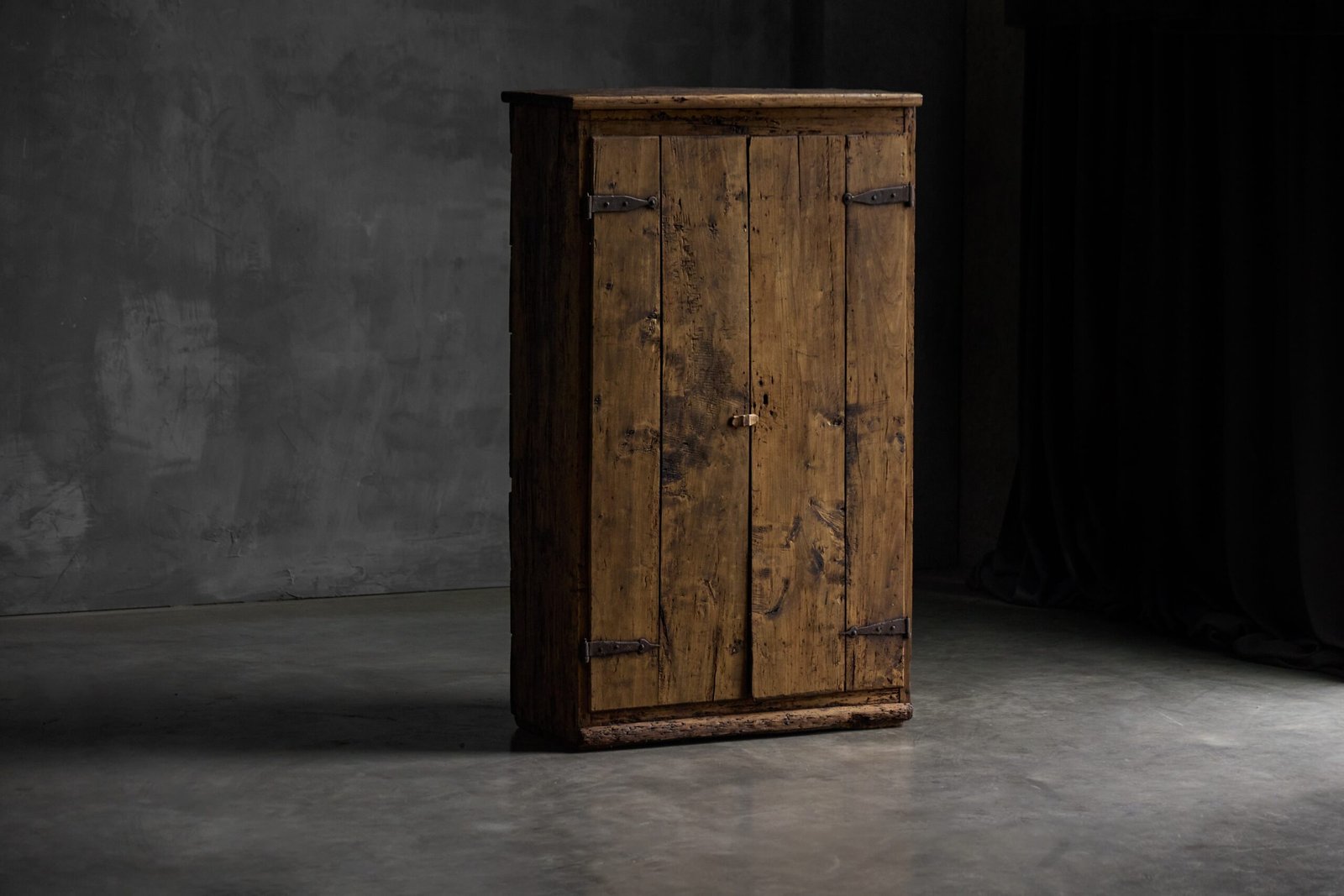
Few elements capture the essence of authenticity like Rustic Furniture. Defined by its raw textures, visible grains, and handcrafted details, Rustic Furniture celebrates the natural beauty of materials. Each piece tells a story, showcasing imperfections that add depth and character.
As sustainability becomes a key consideration in design, the demand for durable and timeless furniture continues to grow. Brands like Goldwood by Boris exemplify this approach by blending traditional craftsmanship with modern design sensibilities. Their creations highlight the importance of quality, longevity, and artistic expression.
Wabi Sabi: The Beauty of Imperfection
In contrast to the pursuit of perfection, Wabi Sabi offers a philosophy that embraces imperfection and transience. Rooted in Japanese culture, Wabi Sabi finds beauty in the natural aging process, irregular forms, and understated elegance.
Incorporating Wabi Sabi into interiors means choosing materials that evolve over time—weathered wood, handmade ceramics, and organic textiles. This approach fosters a deeper connection between people and their surroundings, promoting mindfulness and sustainability in everyday living.
European Design Movements: Innovation and Elegance
The evolution of modern design has been shaped by influential European movements such as the Amsterdamse School. Known for its expressive forms and artistic detailing, the Amsterdamse School blurred the line between architecture and sculpture. Its emphasis on craftsmanship continues to inspire designers today.
On the other hand, Art Deco represents a period of glamour and progress. With its bold geometric patterns, luxurious materials, and sleek lines, Art Deco brought a sense of sophistication to the early 20th century. Its timeless appeal ensures its continued presence in contemporary interiors.
Functional Art: Where Beauty Meets PurposeThe concept of Functional Art challenges the traditional divide between aesthetics and utility. Instead of choosing one over the other, Functional Art integrates both, creating objects that are as practical as they are beautiful.
Designers like Jean Prouvé were pioneers of this approach, combining engineering precision with artistic creativity. His work demonstrated that functionality could enhance design rather than limit it, setting a benchmark for modern interiors.
Mid-Century Design and Global Perspectives
The rise of Mid-Century Design marked a significant shift toward simplicity and accessibility. Characterized by clean lines, organic shapes, and minimal ornamentation, Mid-Century Design emphasized functionality without compromising style. Its influence continues to shape modern interiors.
Visionaries like Charlotte Perriand played a crucial role in this movement, focusing on human-centered design and adaptability. Her work seamlessly blended comfort and aesthetics, making it highly relevant in today’s design landscape.
Meanwhile, Brazilian Design introduced a vibrant and organic approach to modernism. Combining bold forms with natural materials, Brazilian Design reflects a deep connection to nature and cultural identity, adding richness and diversity to global design trends.
Influential Designers and Their Legacy
The impact of iconic designers continues to resonate in contemporary interiors. Pierre Chapo is renowned for his mastery of wood and commitment to craftsmanship. His designs emphasize simplicity, strength, and timeless elegance.
Jean Prouvé revolutionized industrial design with his innovative use of materials and construction techniques. His work remains a source of inspiration for designers worldwide.
Charlotte Perriand brought warmth and humanity to modern design, creating spaces that enhance everyday living. Her contributions continue to influence contemporary interiors.
Another notable figure is Dom Hans van der Laan, whose theories on proportion and spatial harmony offer a unique perspective on architecture. His work highlights the importance of balance and human perception in creating meaningful spaces.
Blending Tradition with Modern Living
Today’s design landscape is defined by its ability to merge diverse influences. Elements of Folk art, Vernacular traditions, and Rustic Furniture coexist with modern styles like Mid-Century Design and Art Deco. This fusion allows for greater creativity and personalization, enabling individuals to craft spaces that reflect their unique identity.
Brands like Goldwood by Boris are leading this transformation by integrating traditional craftsmanship with contemporary aesthetics. Their designs demonstrate how heritage and innovation can coexist to create functional and meaningful interiors.
The Future of Design
As we move forward, the emphasis on sustainability, authenticity, and craftsmanship will continue to grow. Inspirations drawn from Rural living, Alpine Design, and philosophies like Wabi Sabi will shape the future of interiors, creating spaces that are both beautiful and responsible.
Technological advancements will undoubtedly influence design, but the essence of great interiors will always lie in their ability to connect with people. The challenge for designers is to balance innovation with tradition, ensuring that design remains both relevant and meaningful.
Conclusion
Design is more than just a visual experience—it is a reflection of culture, philosophy, and human connection. From the storytelling richness of Folk art to the elegance of Art Deco, and from the simplicity of Wabi Sabi to the practicality of Functional Art, each style offers valuable insights into the art of living.
Congrats! You’ve Completed This Blog. 👏