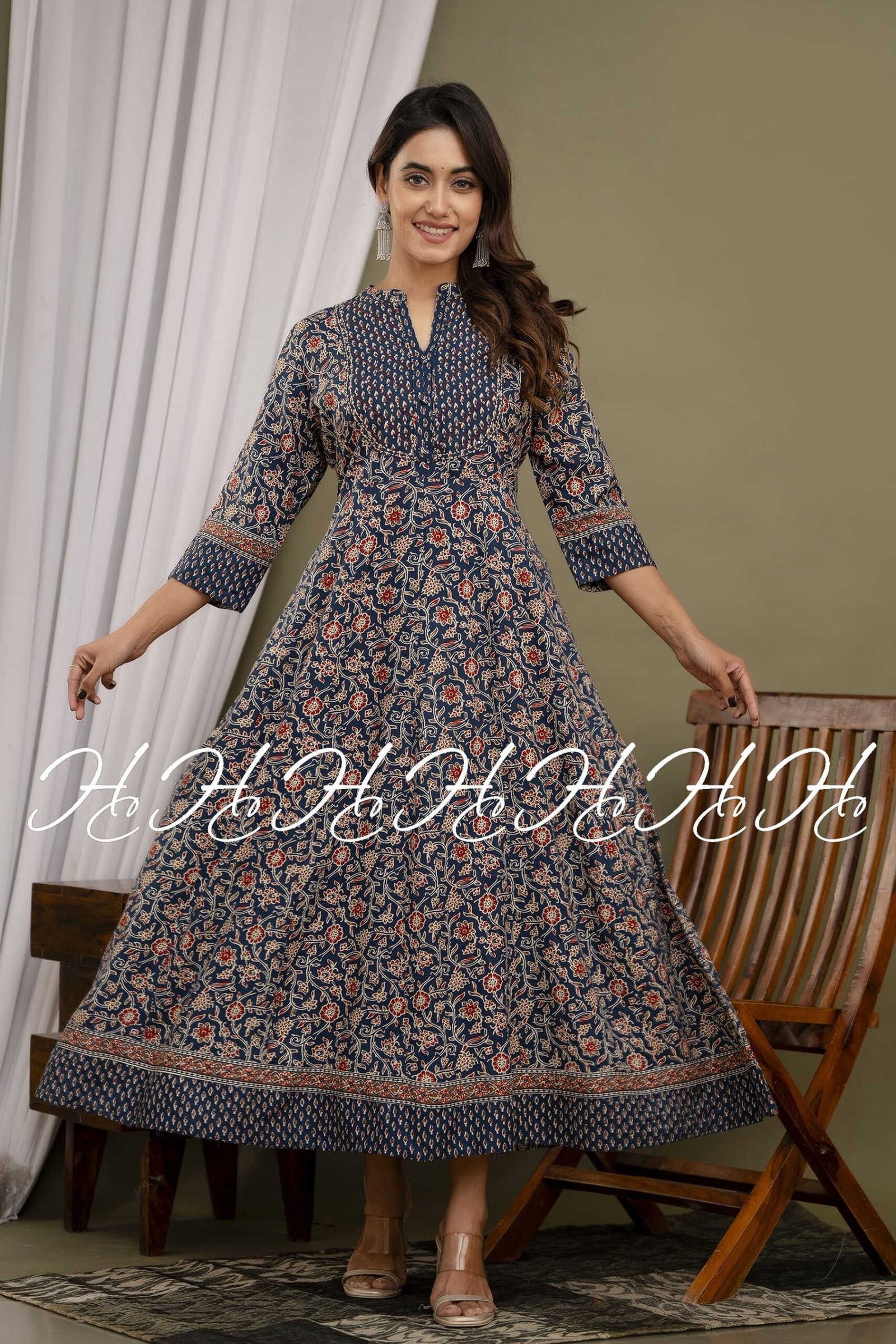
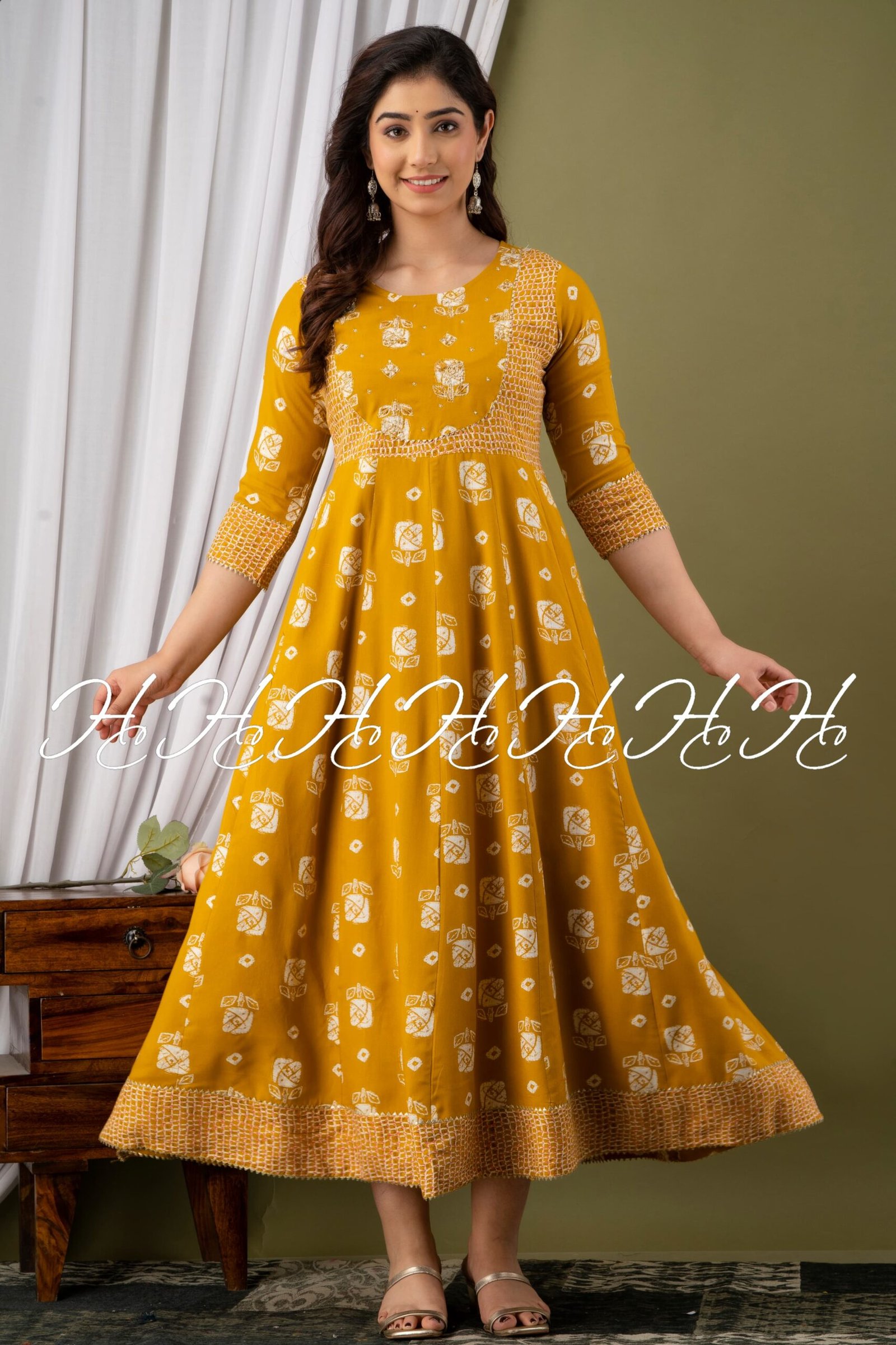
Selecting the right kurti manufacturer can decide the success or failure of your clothing business. Whether you are a boutique owner, wholesaler, online seller, or startup brand, choosing the wrong partner can lead to quality issues, delivery delays, and financial losses. Many buyers rush this decision and later face avoidable problems. Understanding the common mistakes buyers make while selecting a kurtis manufacturer helps you build a reliable supply chain and protect your brand reputation.
Below are the key mistakes buyers should avoid when choosing a kurti manufacturing partner, especially when dealing with markets like Jaipur, which is known for large-scale production.
1. Choosing Price Over Quality
One of the biggest mistakes buyers make is selecting a manufacturer based solely on the lowest price. While competitive pricing is important, extremely cheap rates often signal compromised fabric quality, poor stitching, or inconsistent finishing.
A professional jaipur kurti manufacturer wholesale balances price with craftsmanship. Buyers should inspect fabric GSM, colorfastness, embroidery strength, and stitching quality instead of focusing only on cost. Low-quality products may lead to higher return rates and dissatisfied customers, which costs more in the long run.
2. Not Checking Manufacturer Credentials
Many buyers skip background verification, especially when ordering online or through agents. This can be risky. Not all suppliers claiming to be manufacturers actually produce garments themselves. Some are traders with limited control over production quality.
Buyers should verify whether the kurtis manufacturer owns a production unit, has skilled workers, and follows structured manufacturing processes. Checking business registrations, GST details, factory images, and years of experience helps avoid fraud and misrepresentation.
3. Ignoring Sample Evaluation
Another common mistake is placing bulk orders without thoroughly evaluating samples. Samples help buyers assess fabric feel, fitting, size accuracy, embroidery details, and finishing standards.
Reliable kurti manufacturers usually provide samples before bulk production, sometimes at a nominal cost. Buyers should never skip this step, especially when working with a new jaipur kurti manufacturer wholesale, as it minimizes the risk of mismatched expectations.
4. Overlooking Size Chart Consistency
Many buyers assume that all manufacturers follow standard sizing, which is rarely true. Each kurtis manufacturer may use different size charts, measurements, and grading methods. Ignoring this detail can result in poorly fitting garments that customers reject.
Buyers should always request detailed size charts and confirm tolerance levels before finalizing orders. Testing sample pieces on live models or mannequins ensures better size accuracy and fewer complaints.
5. Not Clarifying Minimum Order Quantity (MOQ)
MOQ confusion often creates issues during production. Some buyers assume they can order small quantities, while manufacturers may require higher minimums for certain designs, fabrics, or prints.
Buyers should clearly discuss MOQ for each design, color, and size set before committing. Transparent communication with the kurtis manufacturer avoids last-minute order cancellations or pricing disputes.
6. Ignoring Production Timelines
Another major mistake is not confirming realistic production and delivery timelines. Many buyers accept verbal commitments without understanding actual production capacity. This leads to delayed deliveries, missed seasonal sales, and inventory planning issues.
A professional jaipur kurti manufacturer wholesale provides clear timelines for sampling, bulk production, quality checks, and dispatch. Buyers should always build buffer time into their schedule and confirm penalties or solutions for delays.
7. Poor Communication and Documentation
Buyers sometimes rely on informal discussions without written confirmations. This creates confusion over design specifications, fabric choices, colors, and pricing.
Every detail should be documented through emails, purchase orders, or WhatsApp confirmations. Clear communication with the kurtis manufacturer ensures both parties follow the same expectations and reduces disputes during or after production.
8. Not Discussing Quality Control Processes
Many buyers assume quality checks happen automatically, which is not always the case. Without a defined quality control system, defective pieces may slip into bulk shipments.
Buyers should ask how the kurti manufacturer handles fabric inspection, stitching checks, thread trimming, and final finishing. Understanding quality control steps helps buyers feel confident about bulk orders and long-term partnerships.
9. Ignoring Customization Capabilities
Some buyers choose manufacturers without checking customization options. Later, they realize the supplier cannot handle private labeling, design modifications, or exclusive prints.
If branding matters, buyers should confirm whether the jaipur kurti manufacturer wholesale supports custom labels, tags, packaging, embroidery changes, and fabric sourcing. This avoids switching suppliers mid-way.
10. Failing to Assess Long-Term Scalability
Many buyers focus only on immediate needs and forget future growth. A small manufacturer may handle initial orders but struggle with larger volumes later.
Buyers should evaluate whether the kurtis manufacturer can scale production, maintain quality, and support repeat orders. Long-term reliability is more valuable than short-term convenience.
11. Overlooking Market Reputation
Ignoring reviews, references, and word-of-mouth feedback is another mistake. Experienced buyers often check testimonials, trade fair participation, and client feedback before finalizing suppliers.
A reputed jaipur kurti manufacturer wholesale usually has consistent clients, export experience, or long-standing relationships in the industry, which signals reliability.
Conclusion
Selecting the right kurti manufacturer requires careful evaluation, not rushed decisions. Buyers should avoid focusing only on price, skipping samples, ignoring communication, and overlooking quality control systems. By verifying credentials, assessing samples, confirming timelines, and ensuring clear documentation, buyers can build strong, long-term partnerships.
Congrats! You’ve Completed This Blog. 👏