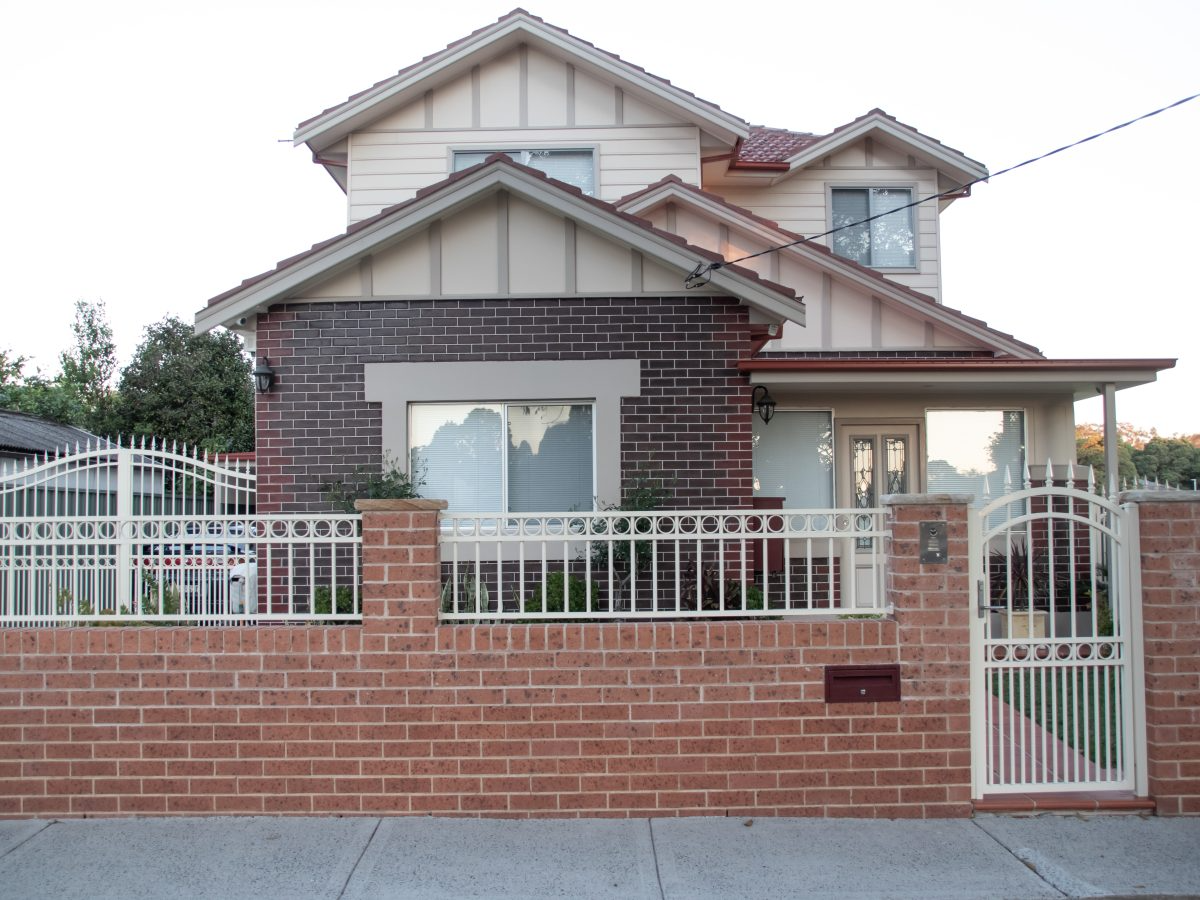
Creating a future where homes contribute positively to the environment rather than exhausting it has become a defining priority in modern architecture. Today, homeowners are not just seeking beautiful spaces—they want structures that support resilience, efficiency, and long-term well-being. This is where Sustainable Homestead Designs and Sustainable Home Design approaches rise to the forefront, offering a roadmap for living harmoniously with nature while still enjoying the comforts of contemporary life.
Modern sustainability goes far beyond installing a few solar panels or switching to energy-efficient light bulbs. It is a holistic mindset built around minimizing waste, optimizing natural resources, and creating living systems that regenerate rather than deplete. Companies like Design Science have embraced these principles to help homeowners shape a lifestyle that is eco-friendly, cost-effective, and deeply aligned with the rhythms of the natural world.
At the heart of Sustainable Homestead Designs is the idea of self-sufficiency. A sustainable homestead thoughtfully incorporates systems for food production, water management, renewable energy, and smart material use. This doesn’t necessarily mean going completely off-grid; instead, it means adopting strategies that reduce resource dependency and enhance environmental resilience. For example, integrating rainwater harvesting systems can provide a dependable source of water while reducing strain on municipal supplies. Likewise, designing landscapes using permaculture principles allows homeowners to grow food naturally, preserve soil structure, and support local biodiversity.
Energy efficiency also plays a vital role in the overall vision. Many sustainable homesteads use passive solar design, which means the home is built to capture, store, and distribute solar energy throughout the day. Properly placed windows, strategically planned overhangs, and smart orientation of the home can significantly lower heating and cooling costs. When combined with renewable technologies such as solar power and geothermal heating, this approach creates a long-term energy solution that benefits both the environment and the homeowner’s budget.
Another pillar of Sustainable Home Design is the use of eco-friendly and durable materials. Sustainable building materials include locally sourced wood, recycled steel, bamboo, reclaimed stone, and low-VOC paints. These materials minimize environmental impact, improve indoor air quality, and contribute to healthier living spaces. Sustainable homes also often incorporate high-performing insulation and energy-efficient windows that keep indoor temperatures stable while reducing the need for mechanical heating and cooling.
Equally important in Sustainable Home Design is water conservation. Techniques such as greywater recycling, low-flow fixtures, and drought-tolerant landscaping dramatically reduce water use inside and outside the home. By designing with water in mind, homeowners can preserve this precious resource while also saving money on utility bills.
Aesthetics are never sacrificed in sustainable building—they are improved. Thoughtful design merges natural elements, modern functionality, and timeless architecture. Large windows that invite sunlight also expand living spaces visually. Green roofs help regulate temperature while adding beauty and natural insulation. Indoor-outdoor living spaces enhance connection with nature, a core part of the sustainable lifestyle.
The long-term benefits of adopting Sustainable Homestead Designs extend well beyond environmental impact. Homeowners who embrace sustainability often experience lower operating costs, healthier indoor environments, increased property value, and peace of mind knowing they are contributing to a more sustainable world. Sustainable design also fosters a deeper appreciation for the land, encouraging more mindful interactions with the ecosystem.
Working with professionals who understand the complexities of sustainable architecture is essential. Teams like the experts at Design Science help translate sustainability goals into practical, functional, and visually appealing home plans. Their approach blends scientific insight with design artistry, ensuring that sustainability is not an add-on but an integral part of the home’s foundation.
As more people recognize the importance of building responsibly, the principles behind Sustainable Homestead Designs and Sustainable Home Design will continue to shape the future of residential development. The movement toward sustainability is no longer a trend; it is a long-term commitment to living smarter, saving resources, and protecting the planet for generations to come.
Building a sustainable home is not just an investment in property—it’s an investment in lifestyle, community, and the environment. The choices made today will define the legacy of tomorrow. By embracing sustainability, homeowners can create living spaces that are beautiful, functional, and regenerative, proving that a better future begins at home.
Congrats! You’ve Completed This Blog. 👏