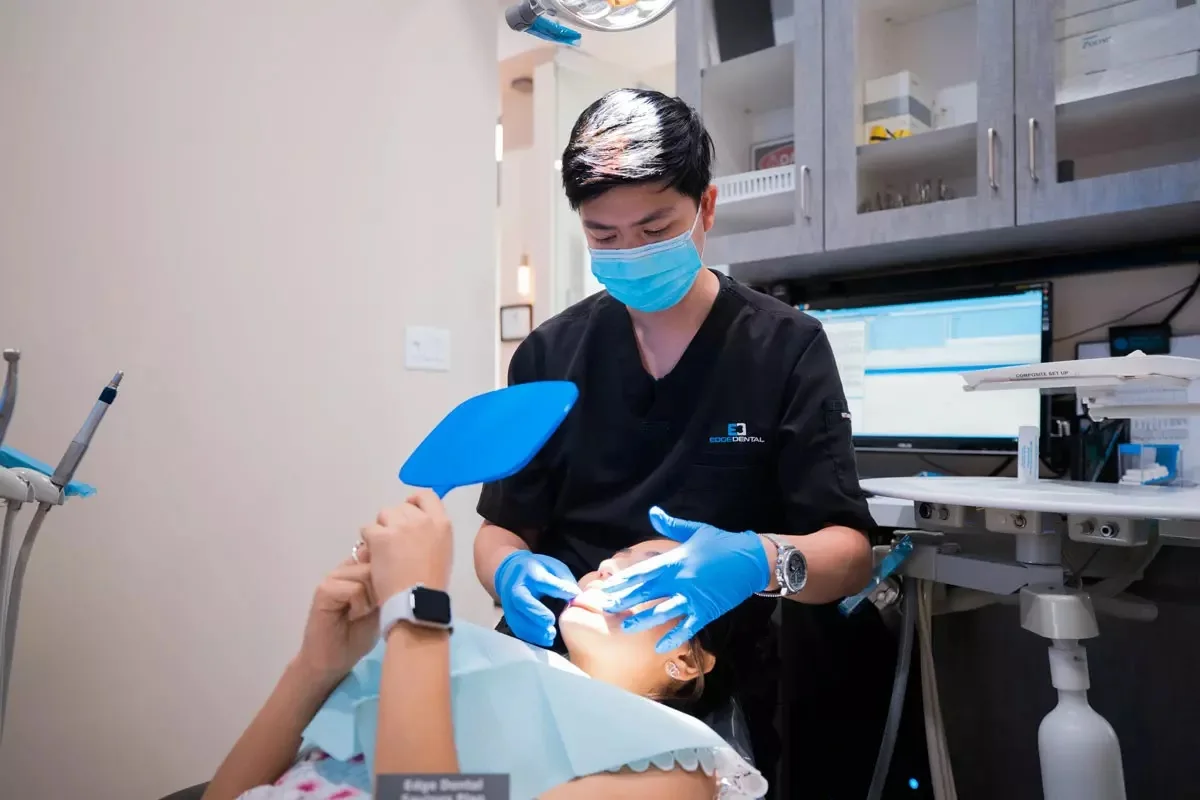
Oral health plays an important role in overall well-being. While most people schedule dental appointments to prevent cavities, treat gum disease, or maintain clean teeth, they may overlook another important aspect of dental care: oral cancer screening. Regular screenings help dentists identify unusual changes in the mouth that could indicate early signs of cancer. Early detection can make a significant difference in treatment options and long-term health outcomes.
Scheduling oral cancer screening Houston appointments allows patients to monitor their oral health and address potential concerns before they become more serious. Whether you have a history of tobacco use or simply want to maintain good health, routine screenings offer valuable peace of mind. Understanding their importance can help you make informed decisions about preventive dental care.
What Is Oral Cancer Screening and Why Does It Matter?
Oral cancer screening is a preventive examination that helps identify abnormal tissues or suspicious changes in the mouth. During the examination, a dentist checks areas such as the lips, tongue, gums, cheeks, roof of the mouth, and throat.
The dentist looks for unusual sores, lumps, patches, swelling, or discoloration. These changes do not always indicate cancer, but they may require further evaluation.
Oral cancer can affect different parts of the mouth and surrounding tissues. Because early symptoms may look similar to common mouth problems, patients sometimes ignore them. Regular screening helps dentists recognize unusual changes and recommend additional testing when necessary.
How Does Early Detection Improve Oral Cancer Treatment?
Early detection is one of the most important reasons to schedule regular oral cancer screenings. When dentists identify suspicious changes early, patients can receive further evaluation and appropriate medical care sooner.
Treatment options often depend on the cancer’s location, stage, and overall progression. Identifying cancer before it spreads may provide more treatment options and improve the chances of successful management.
During routine dental visits, dentists can examine areas that patients may not easily notice themselves. They can also monitor changes over time and recommend a specialist evaluation if something looks unusual.
Regular examinations do not guarantee that cancer will be prevented or detected in every case. However, they provide an important opportunity to identify concerning symptoms and avoid unnecessary delays in seeking care.
Who Should Consider Regular Oral Cancer Screening?
Oral cancer can affect anyone, although certain factors may increase a person’s risk. Understanding these factors can help patients recognize why preventive examinations matter.
People who should pay particular attention to oral cancer screening include:
- Tobacco users: Smoking cigarettes, cigars, or using smokeless tobacco increases the risk of oral cancer.
- Frequent alcohol consumers: Heavy alcohol consumption can increase the risk, particularly when combined with tobacco use.
- People with HPV exposure: Certain strains of human papillomavirus are associated with cancers affecting the mouth and throat.
- Older adults: The risk of oral cancer generally increases with age.
- People with previous oral cancer: Individuals with a history of oral cancer may need ongoing monitoring.
- People with persistent oral symptoms: Unexplained sores, lumps, or unusual patches deserve professional attention.
Even if you do not have these risk factors, you should not ignore preventive dental examinations. Oral cancer can develop in people without obvious risk factors.
What Happens During an Oral Cancer Screening Appointment?
Many patients feel uncertain about oral cancer screening because they do not know what the procedure involves. Fortunately, a routine visual and physical examination is generally simple and non-invasive.
At a Dental Clinic Houston, the dentist may begin by asking about your medical history, tobacco and alcohol use, and any unusual symptoms.
The examination may include:
Visual Examination: The dentist carefully checks your lips, tongue, gums, cheeks, and other visible oral tissues for unusual patches, sores, swelling, or discoloration.
Physical Examination: The dentist may gently feel your jaw, neck, and surrounding tissues to identify unusual lumps or changes.
Symptom Discussion: You can discuss persistent discomfort, difficulty swallowing, unexplained bleeding, or sores that do not heal.
Further Evaluation: If the dentist notices a suspicious area, they may recommend additional diagnostic tests or refer you to an appropriate specialist.
The screening itself usually does not cause discomfort. If further testing becomes necessary, the dentist will explain the recommended next steps.
What Warning Signs Should You Never Ignore?
Knowing the possible warning signs of oral cancer helps you recognize when to seek professional attention. Some symptoms may result from infections, injuries, or other non-cancerous conditions. However, persistent or unexplained changes deserve evaluation.
Watch for the following symptoms:
- Mouth sores that do not heal.
- White or red patches inside the mouth.
- Unexplained bleeding in the mouth.
- Persistent pain in the tongue, gums, or other oral tissues.
- Difficulty chewing, swallowing, or moving the tongue.
- A lump or thickened area inside the mouth or neck.
- Persistent hoarseness or changes in your voice.
- Numbness in the mouth or lips.
- Unexplained changes in how your teeth fit together.
If you experience any of these symptoms, schedule a dental or medical evaluation promptly. Do not wait for your next routine appointment if a concerning symptom develops.
How Often Should You Schedule Oral Cancer Screening?
The appropriate screening schedule depends on your individual health history, risk factors, and dental needs. Many dentists include an examination of oral tissues as part of routine dental checkups.
Patients should discuss their screening needs during regular dental appointments. Individuals with higher risk factors or a previous history of oral cancer may require more frequent monitoring based on professional recommendations.
You should also contact your dentist if you notice unusual changes between appointments. Regular self-awareness, combined with professional examinations, supports better oral health monitoring.
A consistent dental care schedule makes it easier to identify changes and discuss concerns before they become more complicated.
Why Choose a Professional Dental Clinic in Houston?
Choosing an experienced dental provider helps you maintain a consistent preventive care routine. A professional dental team can examine your oral tissues, discuss potential risk factors, and explain whether additional evaluation is necessary.
When selecting a Dental Clinic Houston, consider the following factors:
- Preventive care approach: Look for a dental practice that emphasizes routine examinations and patient education.
- Clear communication: Your dentist should explain screening findings and answer your questions.
- Comprehensive evaluations: Choose a provider who considers your overall oral health rather than focusing only on teeth and gums.
- Personalized recommendations: Your screening schedule should reflect your individual health history and risk factors.
- Patient comfort: A welcoming environment can make routine dental appointments easier and less stressful.
At Edge Dental, patients can explore professional dental care while learning more about the importance of preventive examinations. A proactive approach helps patients understand their oral health and make informed decisions about ongoing care.
Can You Reduce Your Risk of Oral Cancer?
Although no prevention strategy can eliminate the risk completely, healthy lifestyle choices can help reduce certain risk factors.
Consider these practical habits:
Avoid Tobacco Products: Tobacco use is a major risk factor for oral cancer. Avoiding cigarettes, cigars, and smokeless tobacco can support better oral and overall health.
Limit Alcohol Consumption: Reducing alcohol intake may help lower your risk, especially if you previously combined alcohol with tobacco use.
Consider HPV Vaccination: HPV vaccination helps protect against certain HPV-related cancers. Discuss eligibility and vaccination recommendations with your healthcare provider.
Maintain Good Oral Hygiene: Brush twice daily, floss regularly, and attend routine dental appointments to support healthy teeth and gums.
Monitor Oral Changes: Pay attention to unusual sores, patches, lumps, and persistent discomfort. Seek professional advice when something does not improve.
Attend Regular Checkups: Routine dental visits give your dentist opportunities to examine your mouth and discuss preventive care.
These habits work together to support better oral health and help you manage avoidable risk factors.
Why Is Preventive Dental Care Important for Long-Term Health?
Preventive dental care involves more than maintaining an attractive smile. It helps patients identify potential problems, understand their oral health, and receive timely professional guidance.
Regular examinations can reveal issues such as gum inflammation, tooth decay, oral infections, and suspicious tissue changes. Addressing these concerns early may reduce the need for more complicated treatment later.
Oral health also connects with general health. Persistent oral problems can affect eating, speaking, and everyday comfort. By maintaining a regular dental care routine, you can support your overall well-being.
At Edge Dental, patients can make preventive care an important part of their approach to maintaining a healthy smile. Discussing oral cancer screening with your dental professional is a practical step toward becoming more aware of potential warning signs.
Schedule Your Oral Cancer Screening in Houston Today
Regular oral cancer screening plays an important role in identifying unusual changes and supporting early evaluation. Even when you feel healthy, routine dental examinations help you stay informed about your oral health.
If you have risk factors, persistent mouth sores, unusual patches, or unexplained discomfort, do not ignore these signs. Contact a qualified dental professional to discuss your concerns and determine whether further evaluation is necessary.
Make oral cancer screening Houston part of your preventive dental care routine. Taking action today can help you stay informed, recognize potential concerns, and protect your long-term oral health.
Congrats! You’ve Completed This Blog. 👏