Pilates focuses on controlled movement, core strength, flexibility, balance, and body awareness. Many people choose Pilates Training Houston because it offers a structured way to improve physical fitness without relying on high-impact movements. Pilates exercises can work several muscle groups at once while encouraging proper posture and controlled breathing.
A typical Pilates session may include mat exercises, resistance movements, stretching, and core-focused routines. Instructors can also adjust exercises according to a person’s fitness level, experience, and goals. Beginners can start with simple movements, while experienced participants can progress toward more challenging exercises.
Which Core Exercises Are Commonly Used in Pilates?
Core training forms an important part of most Pilates sessions. The core includes the abdominal muscles, lower back, hips, and muscles around the pelvis. Pilates exercises aim to strengthen these areas while improving stability and control.
Common core exercises include the Hundred, abdominal curls, toe taps, single-leg stretches, and double-leg stretches. The Hundred involves maintaining a controlled position while moving the arms in a rhythmic pattern. It encourages abdominal engagement and coordinated breathing.
Single-leg stretches also challenge the core while requiring controlled leg movement. These exercises can help participants develop better stability and body awareness when performed with proper technique.
How Does the Pilates Roll-Up Exercise Build Strength?
The Roll-Up is a classic Pilates movement that works the abdominal muscles while encouraging controlled spinal movement. Participants begin lying on their back and slowly lift their upper body toward a seated position before returning to the starting position.
This exercise requires control rather than speed. It can challenge the abdominal muscles, improve movement coordination, and encourage flexibility through the spine and hamstrings.
Instructors may modify the Roll-Up for beginners by reducing the range of motion or providing additional support. As participants gain strength and control, they can gradually perform the full movement.
Why Is the Pilates Bridge Included in Many Classes?
The Pilates Bridge targets the glutes, hamstrings, and muscles around the hips while also engaging the core. Participants usually lie on their backs with their knees bent and feet positioned on the floor. They then lift the hips in a controlled motion before lowering them back down.
The Bridge can support lower-body strength and help participants practice pelvic control. It also gives instructors an opportunity to teach proper alignment and controlled movement.
Because the exercise does not require complicated equipment, instructors can include it in beginner, intermediate, and advanced Pilates routines.
Which Leg Exercises Can You Expect During Pilates Training?
Pilates often includes exercises that strengthen and stabilize the legs. Side leg lifts, leg circles, single-leg movements, and controlled kicks can challenge the hips, thighs, and glutes.
Side leg lifts require participants to maintain a stable torso while moving one leg. This combination encourages hip strength and body control. Leg circles add another challenge because participants must control the movement while keeping the rest of the body stable.
Regular practice can help participants develop better coordination and movement awareness. Instructors can also adjust repetitions and movement ranges according to individual ability.
How Do Pilates Exercises Improve Flexibility and Mobility?
Pilates does not focus only on strength. Many exercises also encourage controlled stretching and joint mobility. Movements such as spine stretches, saws, and gentle spinal rotations can help participants work through comfortable ranges of motion.
The Spine Stretch Forward, for example, encourages participants to sit tall before gradually moving forward through the spine. The exercise combines flexibility with abdominal control.
Pilates instructors generally emphasize smooth, controlled movements instead of forcing a stretch. This approach allows participants to focus on technique and body awareness.
Are Plank Exercises Part of Pilates Classes?
Many modern Pilates classes incorporate plank variations to challenge the core, shoulders, arms, and legs. A traditional plank requires participants to maintain a stable body position while supporting themselves through the hands or forearms and feet.
Pilates instructors may introduce modified planks for beginners before progressing to more demanding variations. Plank exercises can improve overall stability because several muscle groups must work together to maintain alignment.
Proper form remains important. Participants should follow instructor guidance and avoid sacrificing technique simply to hold a position longer.
What Equipment Can Be Used During Pilates Training Houston?
Although many Pilates exercises use only body weight, instructors may introduce equipment to increase resistance or provide support. Common equipment includes resistance bands, Pilates rings, small balls, and reformers.
A Pilates ring can add resistance during exercises for the inner and outer thighs. Resistance bands can make leg and arm exercises more challenging. Small Pilates balls can support alignment or increase the difficulty of certain movements.
Reformer-based Pilates uses a specialized machine with springs, a carriage, straps, and other components. The equipment allows instructors to create different resistance levels and exercise variations.
The type of equipment used often depends on the studio, class format, and participant experience.
How Can You Choose Exercises Based on Your Fitness Level?
Beginners should focus on learning proper technique before increasing exercise intensity. A qualified instructor can demonstrate basic movements and provide modifications when necessary.
Intermediate participants may perform longer sequences, stronger resistance exercises, and more demanding balance movements. Advanced participants can work with complex combinations that require greater coordination, strength, and control.
If you are comparing Pilates Class Prices near Me, consider more than the listed cost. Check whether the class includes equipment, instructor guidance, class duration, group size, and the type of Pilates offered. A lower price may not always provide the same experience as a professionally guided session with personalized instruction.
What Should You Consider Before Joining a Pilates Class?
Before joining a class, think about your fitness goals, experience, schedule, and preferred workout style. Some people want to improve core strength, while others may prioritize flexibility, posture, balance, or general fitness.
Ask the studio about beginner-friendly sessions if you have never tried Pilates. You can also ask whether instructors offer modifications for different fitness levels.
When researching Pilates Class Prices near Me, compare packages and individual class rates while checking what each option includes. Understanding the class format can help you choose an option that fits both your goals and budget.
How Can Pilates Training Support a Consistent Fitness Routine?
Consistency plays an important role in any exercise routine. Pilates provides a variety of movements that can keep workouts engaging while targeting different areas of the body.
A regular routine can help participants practice better movement control and develop greater awareness of posture and alignment. Combining Pilates with other suitable forms of physical activity can also create a balanced fitness schedule.
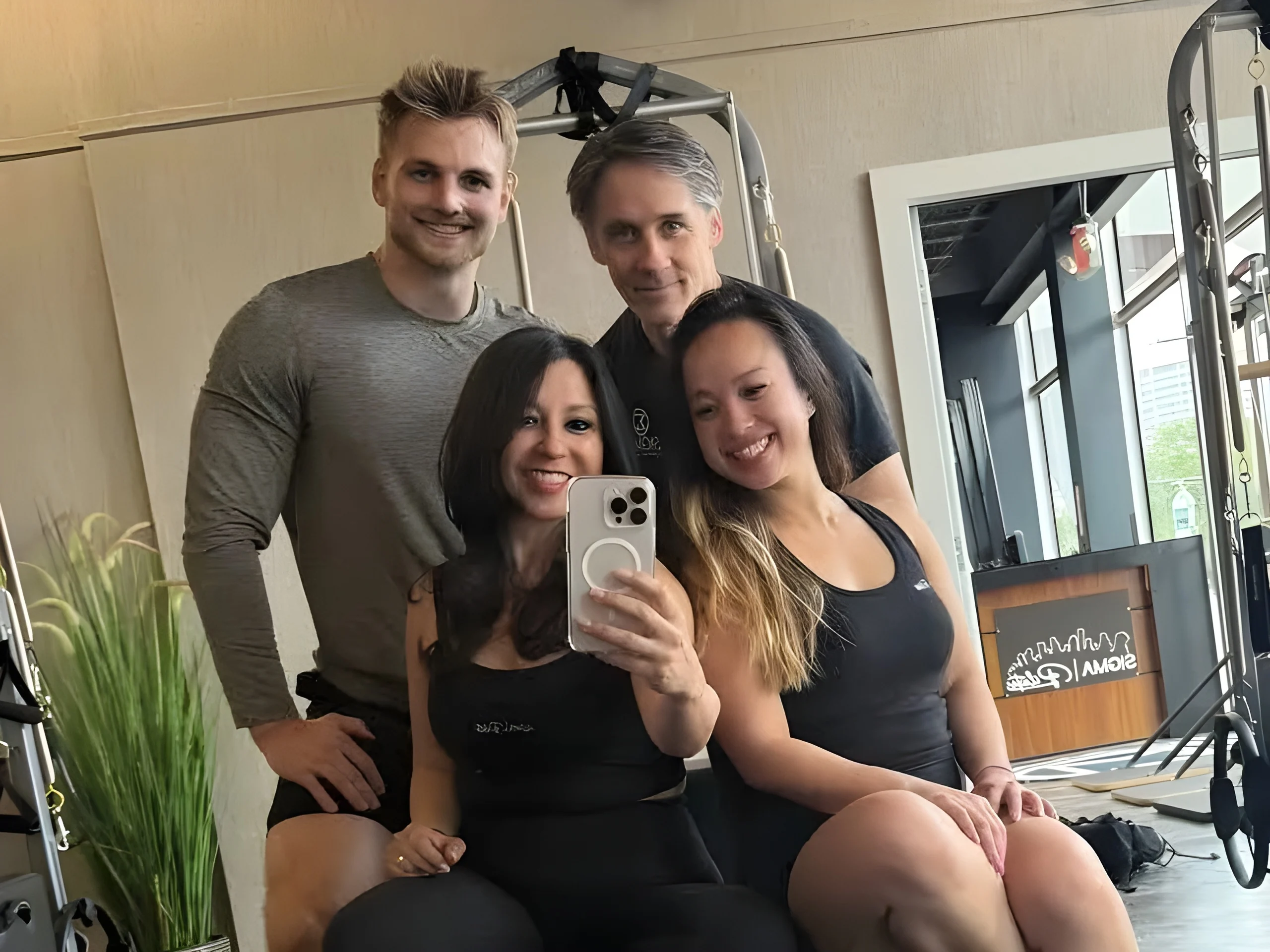
Sigma Pilates can be a useful option for people looking for structured Pilates sessions and guidance as they develop their practice. The key is to choose a class format that matches your experience and personal fitness objectives.
Why Should You Focus on Technique During Pilates Exercises?
Pilates emphasizes precision and control. Performing an exercise quickly or using excessive range of motion can reduce its effectiveness and make it harder to maintain proper alignment.
Focus on breathing, posture, controlled movement, and instructor cues throughout each exercise. Start with manageable movements and gradually increase difficulty as your technique improves.
Whether you are beginning Pilates Training Houston or looking for a more challenging routine, proper instruction can help you understand how each exercise should feel and move.
What Can You Expect From a Typical Pilates Session?
A typical session may begin with gentle warm-up movements before progressing into core exercises, leg work, upper-body exercises, balance movements, and stretching. The instructor may gradually increase the challenge before finishing with slower movements and relaxation.
The exact exercises can vary from one class to another. This variety helps participants work different muscle groups while keeping sessions interesting.
If you are exploring Pilates Class Prices near Me, compare the class structure and instructor support alongside the price. A well-organized session can provide valuable guidance for learning movements safely and effectively.
Is Pilates Training Houston Suitable for Different Fitness Goals?
Pilates can accommodate a wide range of fitness goals because instructors can modify exercises and resistance. Participants can focus on core strength, flexibility, balance, posture, coordination, or overall physical conditioning.
The most important step involves choosing exercises that match your current ability and progressing gradually. Listen to your body, follow professional instruction, and communicate with your instructor about any movement limitations.
With consistent practice, Pilates can become an enjoyable part of a balanced fitness routine. Sigma Pilates can help participants explore different Pilates exercises while developing greater confidence, control, and awareness in their movement.
Congrats! You’ve Completed This Blog. 👏