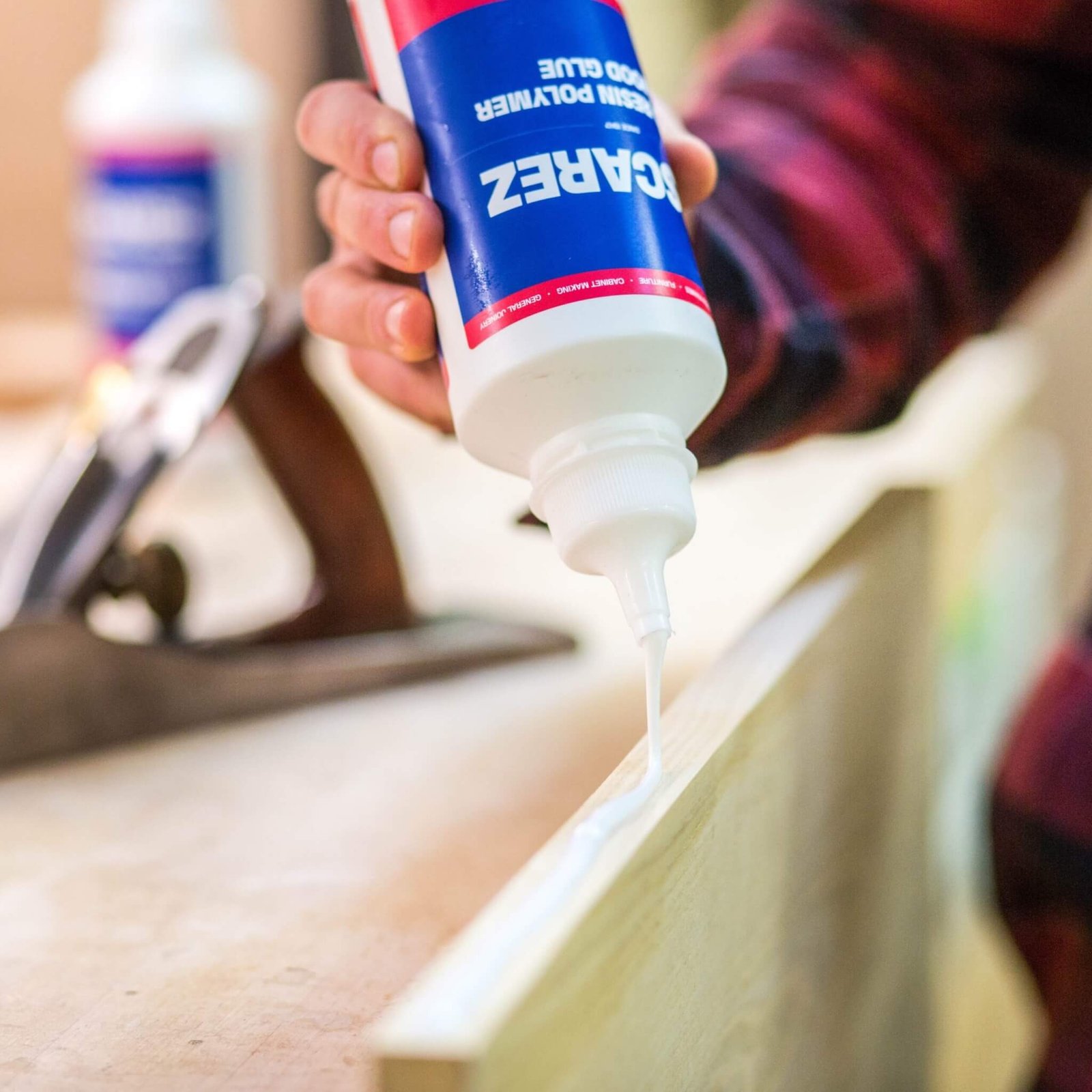
When it comes to creating strong, durable bonds in woodworking and construction projects, choosing the right adhesive is essential. Among the many options available on the market, pva wood glue and pva adhesive have earned a reputation for reliability, versatility, and ease of use. Whether you’re a professional carpenter, furniture manufacturer, DIY enthusiast, or hobby crafter, PVA-based adhesives offer an effective solution for a wide range of applications.
In this article, we’ll explore what PVA adhesives are, their benefits, common uses, and why pva wood glue continues to be one of the most trusted products in woodworking and construction industries.
What Is PVA Adhesive?
PVA adhesive stands for Polyvinyl Acetate adhesive, a synthetic polymer-based glue that is widely used across various industries. It is a water-based adhesive known for its strong bonding properties, non-toxic nature, and easy application.
PVA adhesive works particularly well on porous materials such as wood, paper, cardboard, and fabric. Once applied, the water evaporates, leaving behind a durable bond that securely joins the materials together.
Because of its affordability and effectiveness, PVA adhesive has become a staple product in workshops, schools, factories, and homes around the world.
Understanding PVA Wood Glue
PVA wood glue is a specialized type of PVA adhesive formulated specifically for woodworking applications. It is designed to penetrate wood fibers and create strong, long-lasting joints that can withstand daily use and stress.
Professional woodworkers frequently use pva wood glue when assembling furniture, cabinetry, doors, shelving, and decorative wooden products. In many cases, a properly glued joint can be as strong as, or even stronger than, the surrounding wood.
The reliability and performance of pva wood glue have made it one of the most commonly used woodworking adhesives globally.
Benefits of Using PVA Wood Glue
There are several reasons why professionals and DIY enthusiasts prefer pva wood glue for their projects.
Strong Bond Strength
One of the biggest advantages of pva wood glue is its ability to create durable and secure wood-to-wood bonds. This strength makes it suitable for both small repairs and large-scale woodworking projects.
Easy Application
PVA wood glue typically has a smooth consistency that allows for easy spreading and precise application. This helps ensure even coverage across bonding surfaces.
Fast Drying Time
Most PVA adhesives offer relatively quick drying times, helping users complete projects more efficiently.
Sandable and Paintable
Once cured, pva wood glue can often be sanded and painted, making it ideal for projects that require a polished finish.
Cost-Effective Solution
Compared to many specialty adhesives, PVA products provide excellent value for money while maintaining high performance.
Common Applications of PVA Adhesive
The versatility of pva adhesive makes it suitable for a wide range of uses.
Woodworking
The most popular use of pva adhesive is in woodworking, where it helps create strong joints in furniture, cabinets, and wooden structures.
Craft Projects
Artists, students, and hobbyists frequently use PVA adhesives for paper crafts, model building, and creative projects.
Home Repairs
Many household repairs involving porous materials can be completed successfully using PVA adhesive.
Packaging Industry
PVA adhesives are often used in packaging and paper product manufacturing due to their strong bonding capabilities.
Educational Use
Schools commonly use PVA adhesive because it is easy to handle, safe for supervised use, and simple to clean up with water.
Why Woodworkers Trust PVA Wood Glue
The relationship between wood and adhesive is critical in woodworking. A quality pva wood glue not only holds pieces together but also contributes to the structural integrity of the finished product.
Woodworkers trust PVA adhesives because they offer:
- Consistent performance
- Reliable bond strength
- Minimal shrinkage
- Easy cleanup
- Compatibility with many wood species
These characteristics make PVA wood glue an excellent choice for both beginners and experienced professionals.
Tips for Using PVA Adhesive Effectively
To achieve the best results, it’s important to follow proper application techniques.
Prepare the Surface
Ensure surfaces are clean, dry, and free from dust, grease, or loose particles before applying the adhesive.
Apply Evenly
Spread the pva adhesive uniformly across the bonding area to maximize contact between surfaces.
Use Clamps When Needed
For woodworking projects, clamping the pieces together during drying can significantly improve bond strength.
Allow Proper Curing
Although pva wood glue may dry quickly to the touch, allowing adequate curing time ensures maximum durability.
Modern Advancements in PVA Adhesives
Today’s pva adhesive products are more advanced than ever before. Manufacturers have developed formulations that offer improved performance characteristics such as:
- Enhanced water resistance
- Greater heat resistance
- Improved flexibility
- Stronger long-term durability
- Faster curing times
These advancements have expanded the range of applications for PVA adhesives across multiple industries.
Choosing the Right PVA Wood Glue
When selecting a pva wood glue, consider the specific requirements of your project.
Important factors include:
- Indoor or outdoor use
- Exposure to moisture
- Type of wood being bonded
- Required bond strength
- Drying and curing preferences
Choosing the right adhesive helps ensure optimal performance and long-lasting results.
Conclusion
Both pva wood glue and pva adhesive continue to be essential products in woodworking, construction, crafting, and home improvement projects. Their combination of strength, versatility, affordability, and ease of use makes them a preferred choice for professionals and hobbyists alike.
Whether you’re building furniture, repairing wooden items, creating crafts, or tackling DIY projects, PVA-based adhesives provide dependable performance and durable results. By selecting high-quality products and following proper application techniques, you can achieve strong, professional-quality bonds that stand the test of time.
Congrats! You’ve Completed This Blog. 👏