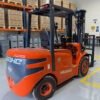
Selecting the right forklift dealer Canada is about more than finding equipment at a competitive price. A reliable dealer can help businesses choose the right forklift, provide ongoing maintenance support, and ensure that operations run smoothly for years to come. Whether you manage a warehouse, construction site, manufacturing plant, or logistics center, partnering with an experienced forklift dealer is an important investment in productivity and workplace safety.
With a wide range of forklift models available—including electric, diesel, and LPG options—businesses benefit from working with a dealer who understands their industry and operational requirements. This guide explains what to look for when choosing a forklift dealer and how the right partnership can support long-term business success.
Why Choosing the Right Forklift Dealer Canada Matters
A forklift is a significant capital investment. Beyond the initial purchase, businesses rely on dependable service, replacement parts, and technical support throughout the equipment’s lifecycle.
A trusted forklift dealer typically offers:
- Expert product recommendations
- Access to new and used equipment
- Preventive maintenance services
- Genuine replacement parts
- Equipment inspections
- Warranty support
- Technical assistance
Choosing a knowledgeable dealer helps reduce downtime and ensures your equipment performs reliably under daily operating conditions.
What to Look for in a Forklift Dealer Canada
Not every supplier offers the same level of expertise or customer support. Before making a decision, consider these important factors.
Industry Experience
A dealer with extensive experience understands the challenges faced by businesses across different industries, including warehousing, manufacturing, agriculture, retail, and construction.
Experienced dealers can recommend equipment based on:
- Load capacity
- Operating environment
- Warehouse layout
- Shift duration
- Future business growth
Their guidance helps ensure you purchase equipment that meets both current and future operational needs.
Wide Equipment Selection
A quality forklift dealer should offer a variety of equipment options rather than a one-size-fits-all solution.
Common forklift categories include:
- Electric forklifts
- Diesel forklifts
- LPG forklifts
- Warehouse forklifts
- Rough terrain forklifts
- High-capacity forklifts
Having multiple choices allows businesses to select equipment best suited to their specific applications.
New vs. Used Forklifts
Many businesses wonder whether purchasing new or used equipment is the better option.
Benefits of New Forklifts
New forklifts typically include:
- Manufacturer warranty
- Latest safety features
- Improved energy efficiency
- Lower maintenance requirements
- Longer service life
These advantages often make new equipment a cost-effective choice for businesses with high daily utilization.
Benefits of Used Forklifts
Used forklifts may be appropriate for businesses with lighter workloads or limited budgets.
When considering used equipment, buyers should review:
- Service history
- Operating hours
- Maintenance records
- Overall condition
- Availability of replacement parts
A reputable dealer will provide transparent information about equipment condition and maintenance history.
Service and Maintenance Support
Reliable after-sales service is one of the most valuable benefits offered by an experienced forklift dealer.
Routine maintenance typically includes:
- Hydraulic inspections
- Brake servicing
- Tire replacement
- Battery maintenance
- Mast lubrication
- Safety inspections
Preventive maintenance helps extend equipment life while reducing the likelihood of unexpected repairs and operational downtime.
Safety Should Always Be a Priority
Modern forklifts are equipped with advanced safety technologies designed to protect operators and nearby workers.
Look for features such as:
- Operator presence systems
- Overhead guards
- LED work lights
- Reverse alarms
- Stability control
- Ergonomic controls
- Seatbelt reminders
Even with advanced safety features, businesses should ensure operators receive proper training and follow workplace safety procedures.
Questions to Ask Before Choosing a Dealer
Before selecting a forklift dealer Canada, consider asking these questions:
- What forklift brands and models are available?
- Do you provide maintenance and repair services?
- Are replacement parts readily available?
- What warranty options are offered?
- Is financing available for equipment purchases?
- Can you recommend equipment based on my industry?
- Do you offer ongoing technical support?
Clear answers to these questions can help you compare dealers more effectively.
Planning for Future Business Growth
Your forklift requirements may change as your business expands. Choosing a dealer capable of supporting long-term growth can simplify future equipment upgrades.
For example, a growing warehouse may eventually require:
- Higher-capacity forklifts
- Additional warehouse equipment
- Fleet expansion
- Maintenance contracts
- Equipment replacement planning
Working with a dealer that understands your long-term goals can help ensure your material handling strategy evolves alongside your business.
Conclusion
Choosing the right forklift dealer Canada involves more than comparing equipment prices. Businesses should evaluate a dealer’s experience, equipment selection, maintenance services, technical expertise, and commitment to customer support.
A dependable dealer becomes a long-term partner, helping your business select reliable forklifts, maintain peak equipment performance, and reduce costly downtime. By investing time in choosing the right forklift dealer Canada, you can improve operational efficiency, enhance workplace safety, and support sustainable business growth.
FAQs
1. Why is choosing the right forklift dealer important?
A reputable dealer provides quality equipment, expert advice, maintenance support, replacement parts, and warranty services that help maximize equipment performance and reduce downtime.
2. Should I buy a new or used forklift?
The choice depends on your workload, budget, and operational needs. New forklifts generally offer lower maintenance costs and updated safety features, while used models can be suitable for lighter-duty applications.
3. What services should a forklift dealer provide?
An experienced dealer should offer equipment sales, preventive maintenance, repair services, replacement parts, warranty support, and technical assistance.
4. How often should forklifts be serviced?
Maintenance intervals depend on the manufacturer’s recommendations and operating hours. Regular inspections and preventive servicing help extend equipment life and improve safety.
5. What factors should I consider before buying a forklift?
Evaluate load capacity, operating environment, fuel or power type, aisle width, maintenance requirements, safety features, and long-term operating costs before making a purchase.
Congrats! You’ve Completed This Blog. 👏