
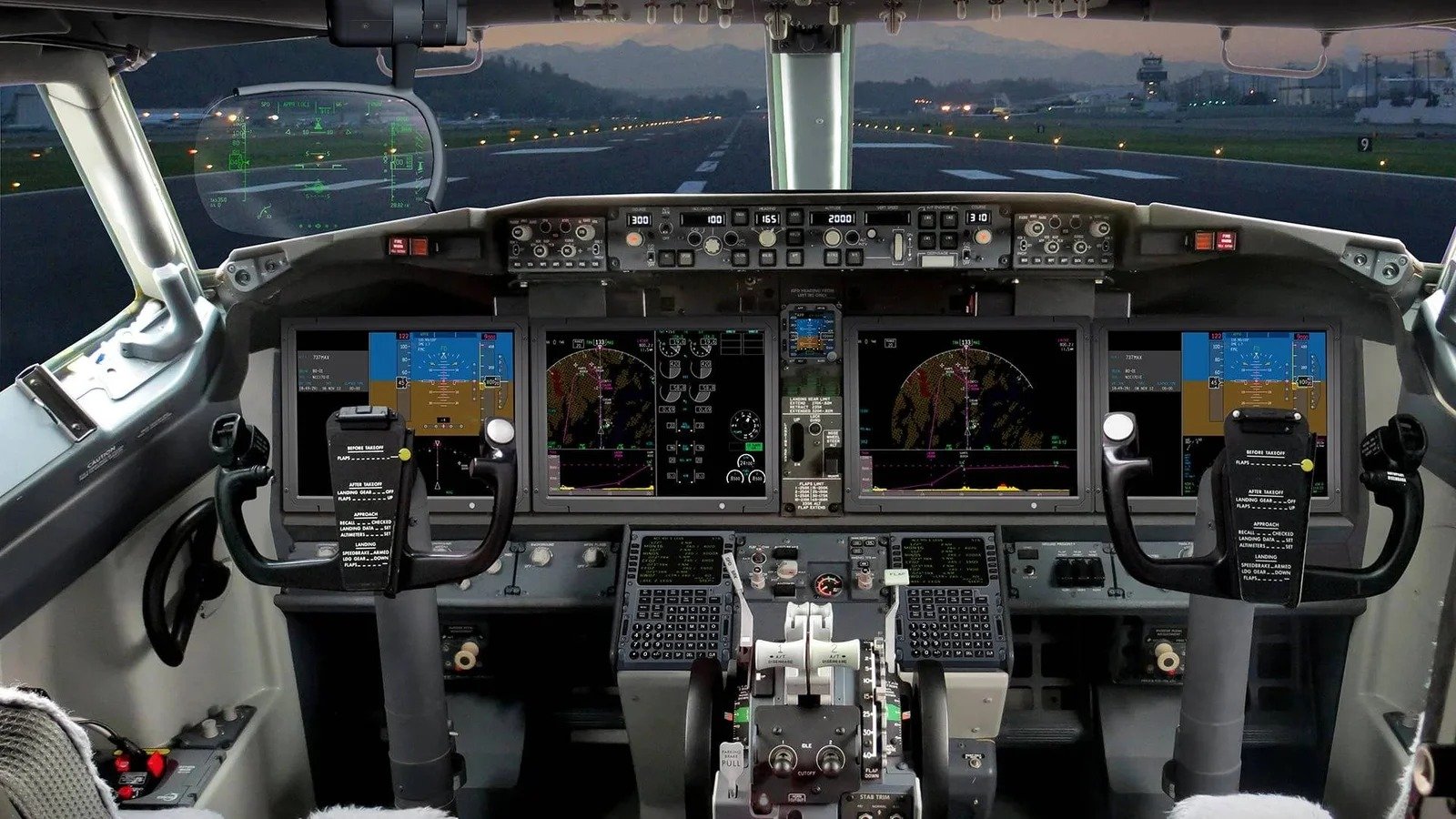
Boeing 737 Type Rating: A Complete Guide for Professional Airline Pilots
For commercial pilots aiming to fly one of the world’s most successful narrow-body aircraft, obtaining a BOEING 737 TYPE RATING is an essential step toward an airline career. The Boeing 737 family is operated by hundreds of airlines worldwide, making it one of the most in-demand aircraft for qualified pilots. Whether you are considering international training or exploring BOEING 737 TYPE RATING PAKISTAN options, understanding the training process can help you make an informed career decision.
What Is a Boeing 737 Type Rating?
A BOEING 737 TYPE RATING is a specialized certification that authorizes a pilot to operate the Boeing 737 aircraft. Since it is a multi-crew transport aircraft, aviation authorities require pilots to complete approved theoretical and simulator training before they can fly it commercially.
A typical Boeing 737 type rating course includes:
- Aircraft systems training
- Flight Management Computer (FMC) operations
- Performance and weight & balance
- Standard Operating Procedures (SOPs)
- Full Flight Simulator (FFS) sessions
- Emergency and abnormal procedures
- Type Rating Skill Test
Many EASA-approved training organizations complete this training over approximately five weeks, combining classroom instruction with simulator sessions.
Why Choose a Boeing 737 Type Rating?
The Boeing 737 continues to serve short and medium-haul routes across the globe. Airlines value pilots who are already qualified on the aircraft because they require less initial fleet training after recruitment.
Key benefits include:
- Qualification to operate one of the world’s most widely used commercial aircraft
- Improved employment opportunities with domestic and international airlines
- Experience with airline-standard operating procedures
- Development of advanced multi-crew coordination skills
Boeing 737 Type Rating Pakistan: What Pilots Should Know
Many aspiring airline pilots compare international training providers with BOEING 737 TYPE RATING PAKISTAN programs before making a decision.
When evaluating any training provider, consider:
Regulatory Approval
Choose an Approved Training Organization (ATO) recognized by the relevant aviation authority. International approvals such as EASA can be particularly valuable for pilots seeking global career opportunities.
Simulator Quality
Training on certified Level D Full Flight Simulators provides realistic operational experience and prepares pilots for airline assessments.
Instructor Experience
Experienced airline instructors help bridge the gap between theoretical knowledge and real-world airline operations.
Course Structure
A quality course should combine classroom learning, computer-based training, simulator sessions, and formal assessments to build technical competence and confidence.
Skills Developed During Training
A Boeing 737 type rating develops far more than aircraft handling skills.
Pilots strengthen their abilities in:
- Crew Resource Management (CRM)
- Threat and Error Management (TEM)
- Automation management
- Decision-making under pressure
- Instrument procedures
- Multi-crew communication
- Airline Standard Operating Procedures
These competencies are essential for maintaining safety in commercial airline operations.
Career Opportunities After Qualification
Completing a BOEING 737 TYPE RATING can improve your competitiveness when applying for airline positions. However, hiring decisions also depend on total flight hours, licensing, medical certification, and airline recruitment standards.
Career opportunities may include:
- First Officer positions
- Regional airlines
- International carriers
- Charter operations
- Cargo airlines
Many airlines operating Boeing 737 fleets continue to recruit pilots who have completed recognized type rating programs and demonstrate strong technical knowledge.
How to Choose the Right Training Organization
Before enrolling, compare providers carefully instead of focusing only on tuition costs.
Important considerations include:
- Aviation authority approval
- Modern simulator facilities
- Experienced instructors
- Transparent course structure
- Safety-focused training environment
- Student support services
Selecting a reputable organization can have a significant impact on both training quality and future career prospects.
Conclusion
A BOEING 737 TYPE RATING is one of the most valuable qualifications for pilots pursuing a professional airline career. Whether you are considering international training or exploring BOEING 737 TYPE RATING PAKISTAN options, selecting an approved training organization with experienced instructors, modern simulators, and internationally recognized standards is essential.
By investing in high-quality training and continuously developing your professional skills, you can build a strong foundation for a successful career flying one of the aviation industry’s most trusted commercial aircraft.
FAQs
1. What is a Boeing 737 Type Rating?
It is a certification that qualifies a pilot to operate the Boeing 737 after completing approved ground school, simulator training, and a skill test.
2. Who can apply for a Boeing 737 Type Rating?
Commercial pilots who meet the licensing, medical, and regulatory requirements established by the training authority.
3. How long does a Boeing 737 Type Rating course take?
Many EASA-approved courses take about five weeks, although the duration varies by training provider.
4. Is a Boeing 737 Type Rating valid internationally?
Recognition depends on the issuing aviation authority and the airline’s regulatory requirements. Always verify acceptance before enrolling.
5. Does a Boeing 737 Type Rating guarantee an airline job?
No. It enhances employability, but airlines also assess flight experience, simulator performance, interviews, and licensing requirements.
Congrats! You’ve Completed This Blog. 👏