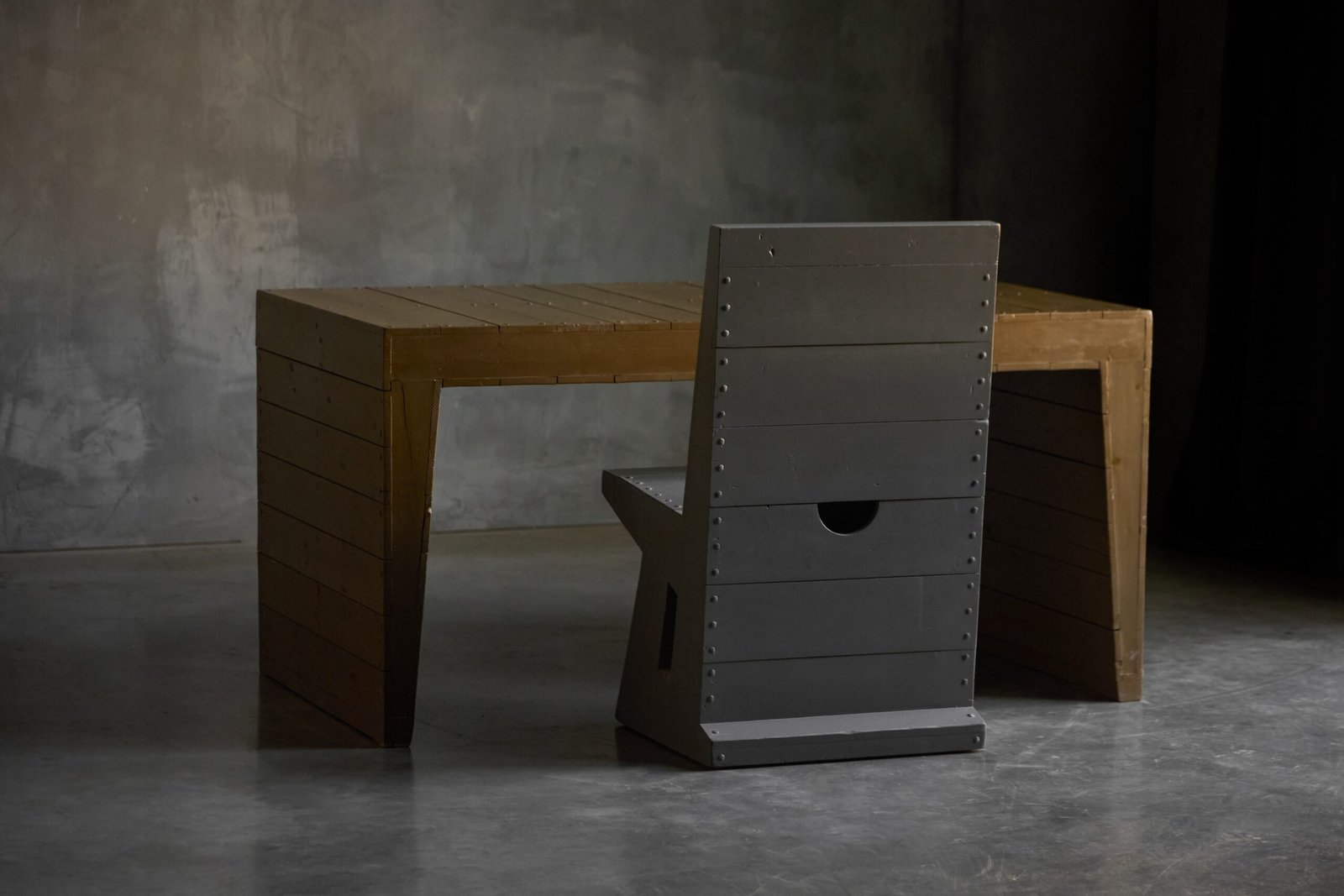
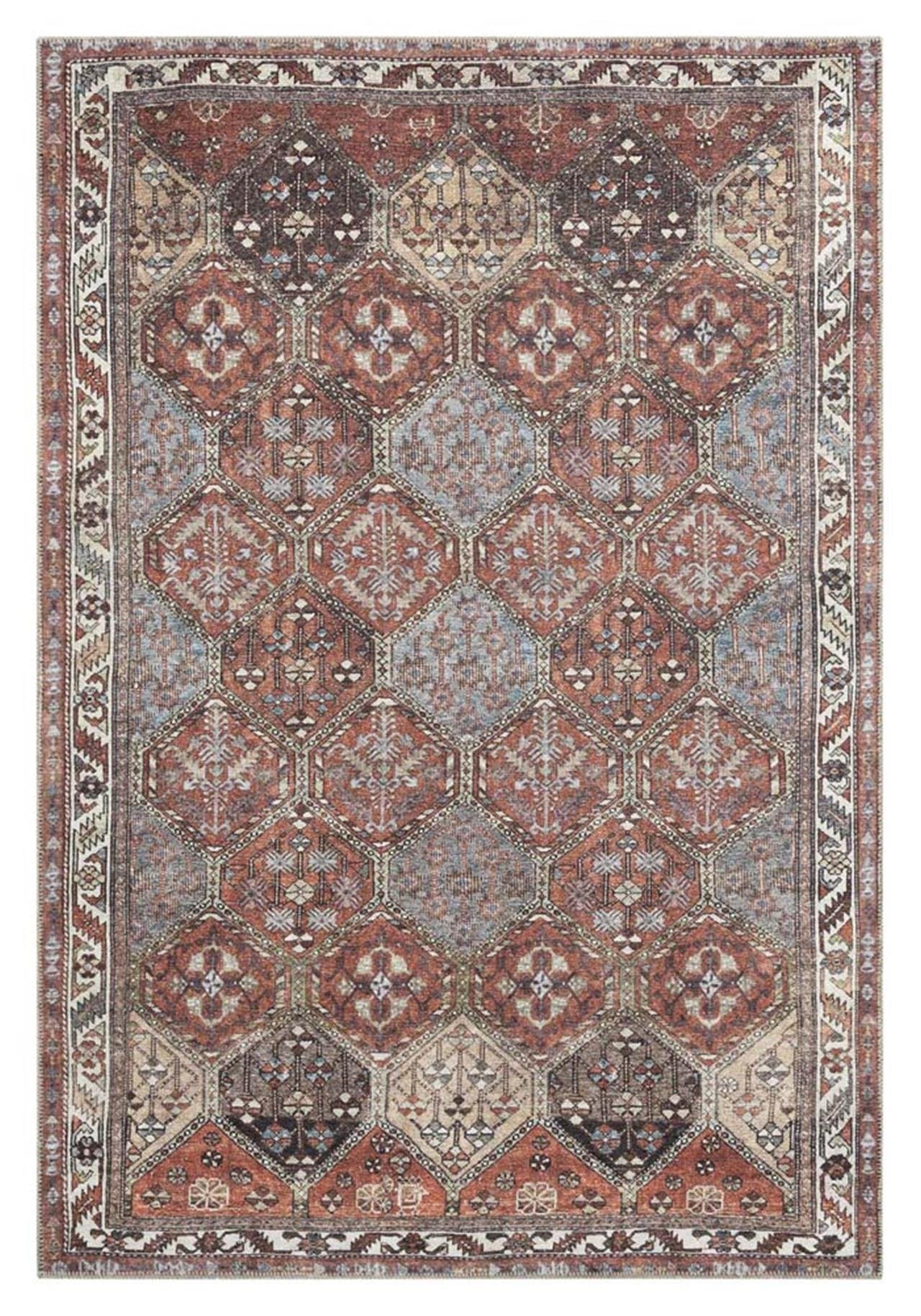
The world of interior design is built upon centuries of artistic exploration, cultural heritage, and innovative thinking. While contemporary trends often capture attention, many of today’s most admired interiors are deeply influenced by historic movements and legendary designers. These inspirations continue to shape furniture, architecture, and decorative elements, proving that great design transcends time. By examining these influential styles and philosophies, we can better understand how timeless principles continue to enrich modern living spaces.
Among the earliest and most authentic sources of inspiration is Folk art. Emerging from local communities and cultural traditions, Folk art reflects the values, stories, and craftsmanship of everyday people. Unlike mass-produced decorative items, Folk art carries a unique sense of identity and character. Its handcrafted qualities and artistic expression bring warmth and individuality into modern interiors, making it a valuable influence in contemporary design.
Equally important is Vernacular design, which develops naturally from local materials, environmental conditions, and cultural practices. Rather than following formal design rules, Vernacular architecture and furnishings evolve through practical necessity. Today, the principles of Vernacular design are admired for their sustainability, functionality, and strong connection to place. Designers often draw from these traditions to create spaces that feel authentic and environmentally conscious.
The timeless appeal of Alpine Design continues to inspire interiors that prioritize comfort and natural beauty. Characterized by wood-rich environments, cozy textures, and strong connections to the surrounding landscape, Alpine Design creates welcoming spaces that encourage relaxation. This aesthetic often overlaps with Rural influences, which celebrate simplicity, craftsmanship, and a close relationship with nature. The enduring popularity of Rural living reflects a growing desire for interiors that provide peace and authenticity in an increasingly fast-paced world.
Furniture plays a crucial role in expressing these values, particularly through the use of Rustic Furniture. Crafted from natural materials and designed to showcase the beauty of wood, Rustic Furniture offers durability and timeless charm. Its imperfections and organic textures create a sense of honesty that resonates with homeowners seeking meaningful and long-lasting design solutions.
Architectural philosophy has also had a profound impact on interior design. The work of Dom Hans van der Laan introduced important ideas about proportion, scale, and human perception. Through his studies, Dom Hans van der Laan demonstrated how carefully balanced dimensions can create harmonious environments. His influence continues to guide architects and designers who strive to achieve both beauty and functionality within a space.
Another philosophy that has gained significant recognition is Wabi Sabi. Originating in Japanese culture, Wabi Sabi celebrates imperfection, simplicity, and the natural passage of time. Instead of pursuing flawless appearances, Wabi Sabi encourages appreciation for authenticity and subtle beauty. This perspective has become increasingly relevant in modern interiors, where natural materials and understated elegance are often favored over excessive ornamentation.
European design history offers additional sources of inspiration, including the remarkable Amsterdamse School. Known for its expressive architecture and artistic craftsmanship, the Amsterdamse School challenged traditional design conventions and emphasized creativity. Its influence can still be seen in contemporary projects that prioritize individuality and sculptural forms.
The glamour and sophistication of Art Deco continue to captivate designers and homeowners alike. Characterized by geometric patterns, luxurious materials, and bold visual statements, Art Deco transformed the design landscape during the early twentieth century. Even today, elements of Art Deco are frequently incorporated into interiors that seek elegance, refinement, and timeless appeal.
One of the most influential movements in modern design is undoubtedly Mid-Century Design. Renowned for its clean lines, practical forms, and innovative use of materials, Mid-Century Design revolutionized furniture and architecture. The enduring popularity of Mid-Century Design stems from its ability to combine simplicity with sophistication, making it suitable for a wide range of interior styles.
International influences have also expanded the possibilities of modern design. Brazilian Design is celebrated for its ability to merge modernist principles with natural materials and organic forms. The warmth and creativity associated with Brazilian Design have inspired countless designers to create spaces that feel both elegant and welcoming.
The contributions of legendary furniture designers remain essential to contemporary interiors. Pierre Chapo is admired for his commitment to craftsmanship and his exceptional use of solid wood. His furniture demonstrates how structural integrity and natural beauty can coexist harmoniously. Likewise, Charlotte Perriand transformed modern living through designs that prioritized both comfort and functionality.
Innovation was also central to the work of Jean Prouvé, whose designs combined engineering expertise with aesthetic refinement. The creations of Jean Prouvé continue to influence furniture makers and architects who value efficiency, durability, and visual clarity.
Italian design has contributed significantly to global design culture through figures such as Afra & Tobia Scarpa. Their work is known for balancing traditional craftsmanship with modern innovation, resulting in timeless pieces that remain highly respected today. Similarly, Mario Bellini has earned worldwide recognition for his visionary approach to furniture design. His ability to create pieces that are both practical and sculptural has left a lasting impact on contemporary interiors.
One of Bellini’s most iconic creations is the Camaleonda, a modular seating system celebrated for its flexibility and comfort. The Camaleonda remains a symbol of adaptable living, reflecting the growing demand for furniture that can evolve alongside changing lifestyles.
Nature-inspired craftsmanship is beautifully represented in the work of Nakashima. By highlighting the natural characteristics of wood, Nakashima created furniture that feels organic, artistic, and deeply connected to the environment. His philosophy continues to inspire designers who value sustainability and authenticity.
Another influential modernist figure is Pierre Jeanneret, whose furniture designs have become iconic examples of functional elegance. The timeless appeal of Pierre Jeanneret pieces demonstrates how simplicity and practicality can result in enduring beauty.
Many of these design traditions converge through the concept of Functional Art. Rather than separating utility from aesthetics, Functional Art embraces the idea that everyday objects can be both useful and visually inspiring. This philosophy encourages designers to create furniture and interiors that enhance daily life while serving as expressions of creativity.
Today, companies such as goldwoodbyboris continue to draw inspiration from these influential movements and designers. By embracing principles found in Folk art, Wabi Sabi, Art Deco, and Mid-Century Design, they help preserve the legacy of exceptional craftsmanship while adapting it for contemporary lifestyles.
As modern interiors continue to evolve, the influence of Pierre Chapo, Charlotte Perriand, Jean Prouvé, Afra & Tobia Scarpa, Mario Bellini, Nakashima, and Pierre Jeanneret remains unmistakable. Through their visionary work and the ongoing dedication of brands like goldwoodbyboris, timeless design continues to inspire beautiful, functional, and meaningful spaces around the world.
Congrats! You’ve Completed This Blog. 👏