Coffee has become a daily essential for millions of people around the world. Whether enjoyed during busy mornings, work breaks, or relaxing evenings, coffee remains deeply connected to modern lifestyles. However, growing awareness around wellness and caffeine consumption has encouraged many consumers to explore decaf alternatives. Today, the market for the best decaf coffee is stronger than ever, offering flavorful options that satisfy both taste and health-conscious preferences.
In earlier years, many people believed caffeine free coffee lacked the bold flavor and rich aroma associated with traditional coffee. Thanks to improvements in coffee roasting and decaffeination technology, that perception has changed significantly. Modern coffee without caffeine can now deliver smooth body, balanced acidity, and deep flavor profiles comparable to regular coffee.
One important topic consumers often discuss is decaf coffee caffeine content. Many coffee drinkers still ask, is there caffeine in decaf coffee? While decaf coffee is not completely caffeine-free, the amount of caffeine remaining is extremely low compared to regular coffee. This reduced caffeine content makes decaf an excellent option for individuals who are sensitive to caffeine or who simply want to limit their intake while continuing to enjoy coffee throughout the day.
Understanding what is decaf coffee can help consumers appreciate the quality and craftsmanship involved in modern decaf production. Decaf coffee starts as regular coffee beans that undergo a specialized process to remove most of the caffeine while preserving flavor and aroma. High-quality decaffeinated coffee is carefully processed to maintain the original character of the beans, ensuring a satisfying coffee experience.
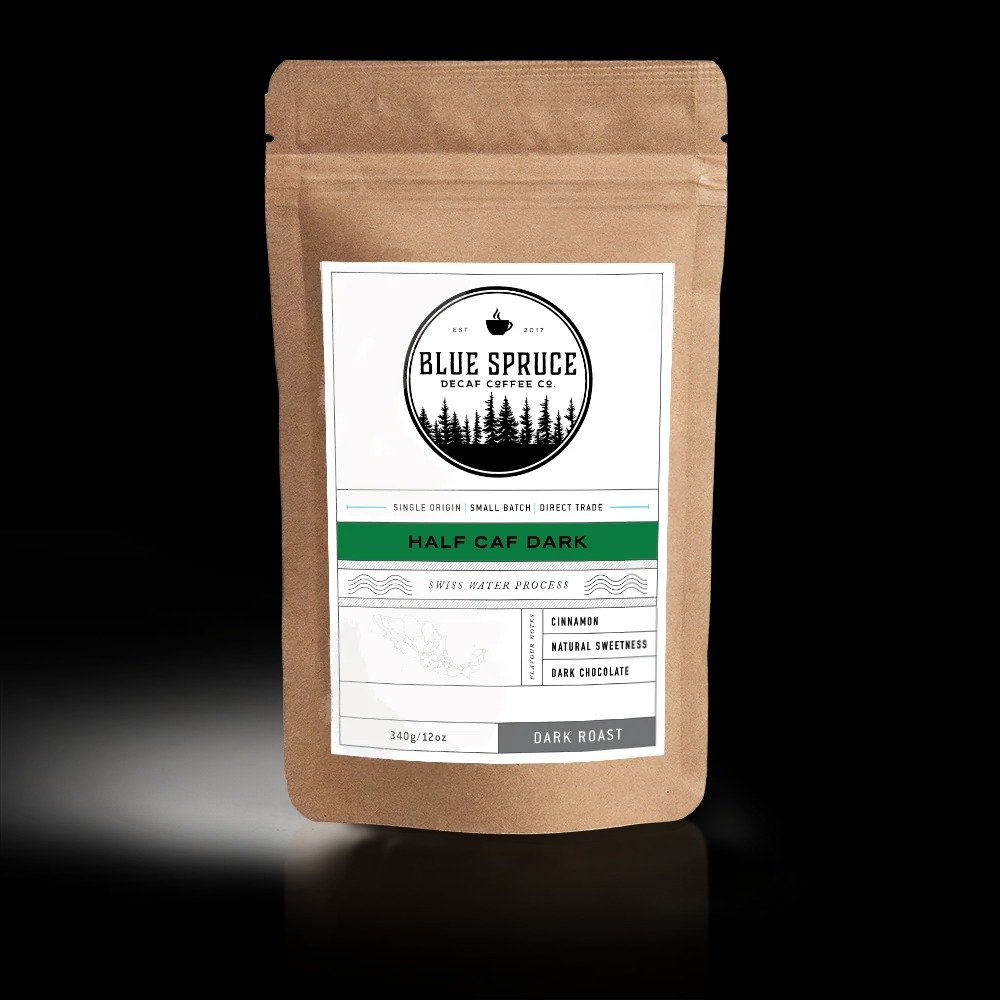
One of the most respected decaffeination methods available today is decaf coffee swiss water processing. This natural process removes caffeine using only water, temperature, and filtration instead of chemical solvents. Consumers looking for cleaner and healthier alternatives often prefer decaf coffee water process methods because they preserve the integrity of the coffee while maintaining excellent taste.
The popularity of decaf water processed coffee has grown rapidly among specialty coffee enthusiasts who value natural production techniques. Coffee roasters now emphasize transparency, sustainability, and flavor preservation in response to changing consumer expectations. As a result, demand for organic decaf coffee has also increased as more people seek environmentally responsible and naturally processed coffee options.
Another highly respected category is swiss processed decaf coffee, known for delivering smooth texture and balanced flavor. Many coffee lovers prefer swiss water decaf coffee because it retains the complexity and sweetness of specialty-grade beans. Several leading swiss water processed decaf coffee brands now produce premium decaf blends that compete directly with traditional caffeinated coffee in terms of quality and taste.
Consumers searching for smooth and flavorful coffee frequently choose water processed decaf coffee because it offers a cleaner and more natural cup. Unlike older decaf products that sometimes tasted flat or bitter, modern processing methods help preserve the bean’s original flavor characteristics and aroma.
Roasting style is another important factor that influences the final coffee experience. A bold decaf coffee dark roast can provide smoky undertones, rich chocolate notes, and a full-bodied finish that appeals to traditional coffee drinkers. Dark roast decaf coffee remains a popular choice for consumers who enjoy strong flavor without excessive caffeine.
Selecting premium beans is essential for creating high-quality decaf coffee. Choosing the best decaf coffee bean helps ensure freshness, smoother extraction, and improved flavor consistency. Specialty coffee enthusiasts often search for the best decaf coffee beans sourced from reputable coffee-growing regions around the world. Carefully roasted decaf coffee beans can now deliver café-quality results in a variety of brewing methods.
Espresso drinkers are also embracing premium decaf alternatives. The growing demand for best decaf espresso beans reflects changing consumer preferences for balanced coffee options. A properly prepared decaf espresso can still produce excellent crema, rich texture, and bold flavor similar to regular espresso. Specialty decaf espresso beans are specifically designed to perform well in espresso machines and specialty coffee beverages.
Health considerations continue to play a major role in the popularity of decaf coffee. Many individuals frequently ask, is decaf coffee safe during pregnancy? Since decaf coffee contains far less caffeine than standard coffee, healthcare professionals often suggest it as a suitable alternative during pregnancy. However, moderation and professional medical guidance remain important for individual dietary decisions.
Congrats! You’ve Completed This Blog. 👏