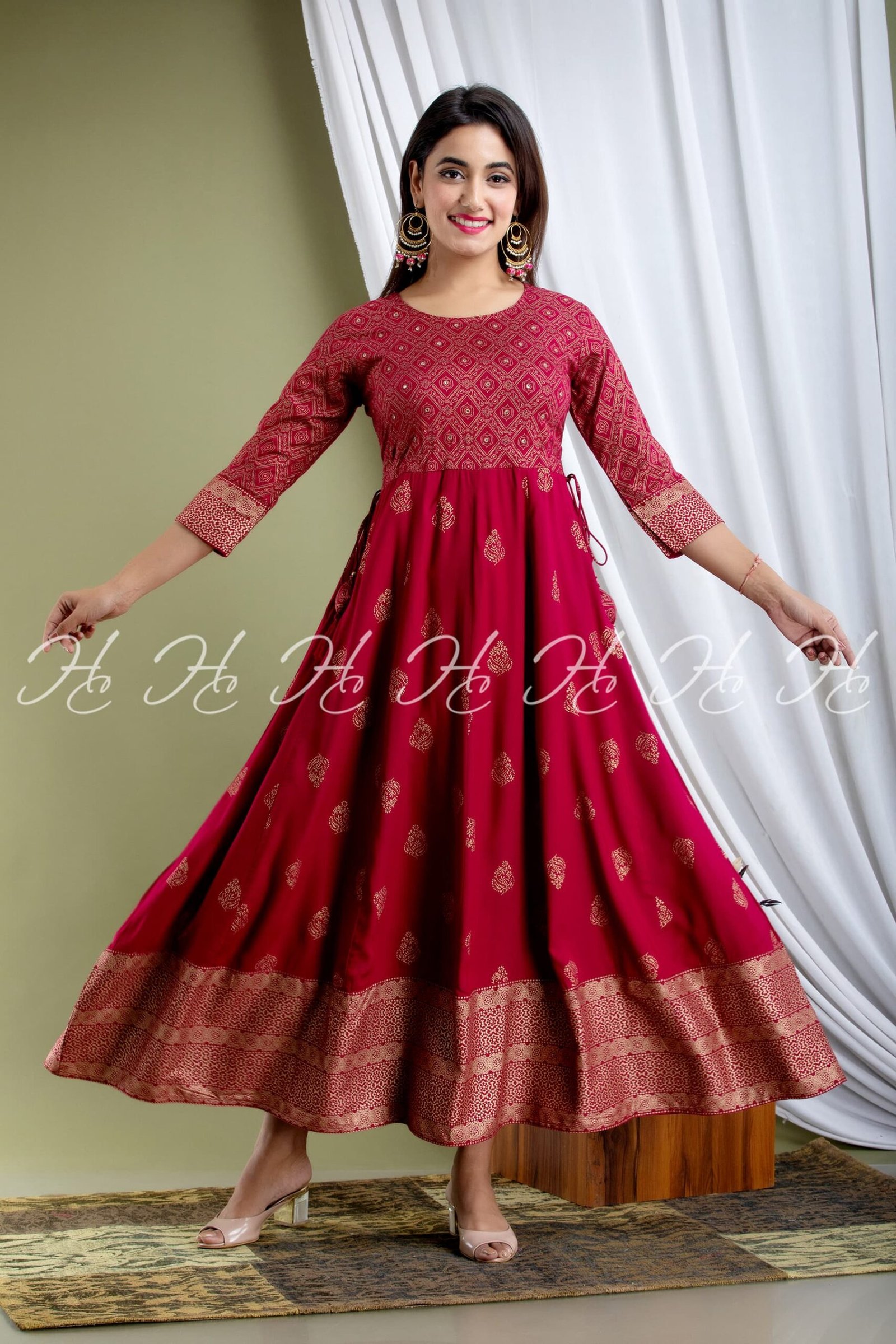
When you want to source quality ethnic wear at competitive rates, you need a clear strategy to compare prices between different kurti manufacturers. The market is vast, and prices can vary significantly depending on fabric, craftsmanship, order size, and brand reputation. If you approach the process systematically, you can secure the best value without compromising on quality.
In this guide, you will learn practical steps to compare pricing effectively while exploring options like kurtis manufacturer networks and cotton kurti wholesale suppliers.
Understand Your Requirements First
Before you start comparing prices, define exactly what you need. Decide on fabric type, design complexity, quantity, and target price range. For example, cotton-based products from cotton kurti wholesale suppliers are generally more affordable than designer or embroidered pieces.
When you clearly outline your needs, you can avoid confusion and ensure that you compare similar products. This prevents the common mistake of comparing a basic kurti with a heavily embellished one, which naturally comes at a higher price.
Request Detailed Quotations
Reach out to multiple kurtis manufacturer companies and ask for detailed quotations. A proper quotation should include:
- Fabric type and quality
- Stitching and finishing details
- Minimum order quantity (MOQ)
- Bulk pricing tiers
- Delivery timelines
By collecting structured quotes, you can easily evaluate which supplier offers the best deal. For instance, brands like HarshCreation often provide transparent pricing structures, making it easier for buyers to compare options.
Compare Fabric Quality and Pricing
Fabric plays a major role in determining the cost of a kurti. Cotton, rayon, silk blends, and linen all come at different price points. When dealing with cotton kurti wholesale suppliers, ensure you compare the GSM (grams per square meter) and weave quality.
Sometimes a slightly higher price reflects better durability and comfort. Instead of focusing only on the lowest price, calculate the long-term value of the product.
Evaluate Bulk Discounts
Most kurtis manufacturer businesses offer discounts based on order quantity. Always ask for tiered pricing. For example:
- 50 pieces: base price
- 100 pieces: discounted price
- 500+ pieces: wholesale rate
This allows you to decide whether increasing your order size can significantly reduce your per-piece cost. Reliable suppliers such as HarshCreation often provide flexible bulk pricing that benefits retailers and resellers.
Check Hidden Costs
A common mistake buyers make is ignoring additional costs. While comparing quotes, consider:
- Shipping charges
- Packaging costs
- GST or taxes
- Customization fees
A supplier offering a lower base price may end up costing more after adding these charges. Always calculate the final landed cost before making a decision.
Analyze Design and Customization Options
Some kurtis manufacturer companies offer customization services, allowing you to create unique designs. While this may increase the price slightly, it adds value to your brand if you are a reseller.
Compare the cost of ready-made designs versus custom-made kurtis. If your business depends on uniqueness, paying a bit extra for exclusive designs can be a smart investment.
Review Quality Samples
Never finalize a deal without reviewing samples. Most cotton kurti wholesale suppliers provide sample pieces for evaluation. Examine:
- Stitching quality
- Fabric feel
- Color consistency
- Fit and finishing
A cheaper product with poor quality can damage your reputation. Always balance price with quality assurance.
Check Manufacturer Reputation
Price comparison should not happen in isolation. A low-cost supplier with unreliable service can lead to delays and losses. Research reviews, testimonials, and past client experiences.
Established names like HarshCreation maintain consistent quality and timely delivery, which can justify slightly higher pricing compared to unknown suppliers.
Compare Lead Times and Reliability
Time is money in the fashion business. If one kurtis manufacturer offers a lower price but takes longer to deliver, it might not be worth it.
Evaluate:
- Production timelines
- Shipping duration
- Ability to handle urgent orders
Reliable delivery can sometimes outweigh small price differences.
Use Online and Offline Channels
You can compare prices through multiple channels:
- Online B2B platforms
- Manufacturer websites
- Trade exhibitions
- Direct factory visits
Exploring both online and offline sources helps you understand market trends and average pricing for cotton kurti wholesale products.
Build Long-Term Relationships
Instead of constantly switching suppliers for small price differences, focus on building long-term relationships. Regular customers often receive better pricing, priority service, and customization benefits.
A trusted kurtis manufacturer partner will also help you adapt to changing fashion trends and market demands.
Final Thoughts
Comparing prices between different kurti manufacturers requires more than just looking at numbers. You need to evaluate fabric quality, bulk discounts, hidden costs, reliability, and overall value.
Congrats! You’ve Completed This Blog. 👏