Learning how to drive is a major milestone for any young person, and structured programs help teenagers gain the confidence and skills they need to stay safe on the road. Many parents and students often ask whether tests are part of the process. If you are considering a Teenager Behind the Wheel License Reston program, understanding the role of assessments can help you prepare better and reduce anxiety.
In this guide, we will explain the types of tests involved, how instructors evaluate students, and what you can expect from a Teens License Driving School Reston program.
Understanding the Structure of a Behind the Wheel Program
A Teenager Behind the Wheel License program focuses on practical, hands-on driving experience. Unlike classroom-only driver education, this training puts students behind the steering wheel under the supervision of a certified instructor.
What Does the Program Include?
Most programs include:
- Real-world driving practice
- Instruction on traffic rules and road signs
- Defensive driving techniques
- Parking, turning, and lane-changing exercises
- Observation and hazard awareness
While the primary focus is skill-building, instructors also assess student progress throughout the program.
Are There Formal Tests in the Program?
Yes, most Teenager Behind the Wheel License Reston programs include some form of testing or evaluation. However, these are not always traditional written exams. Instead, instructors use a combination of practical assessments and performance reviews.
Types of Tests You May Encounter
1. Initial Skill Assessment
At the beginning of the program, instructors often evaluate the student’s current driving ability. This helps them:
- Identify strengths and weaknesses
- Customize lessons to suit the student’s needs
- Set realistic learning goals
This is not a pass-or-fail test but rather a starting point.
2. Ongoing Performance Evaluations
During each driving session, instructors observe and assess the student’s performance. They look at:
- Steering control
- Speed management
- Use of mirrors and signals
- Awareness of surroundings
These evaluations help ensure that the student is progressing steadily. Programs like those offered by Nova Driving School VA emphasize continuous feedback rather than high-pressure testing.
3. Mid-Program Progress Checks
Some programs include structured progress checks midway through the course. These assessments ensure that students are:
- Retaining what they have learned
- Applying safe driving techniques consistently
- Improving their confidence on the road
Instructors may simulate real driving conditions to test decision-making skills.
4. Final Driving Assessment
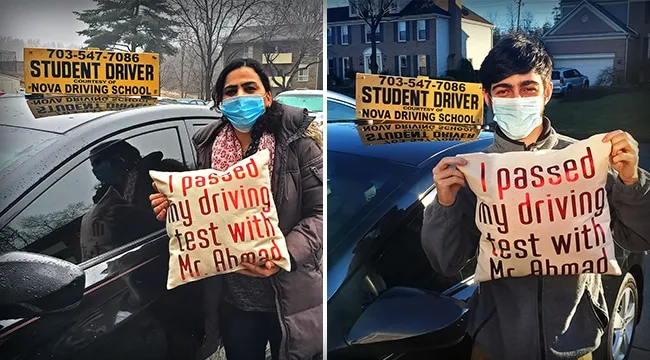
At the end of the program, students typically complete a final driving test. This is the most important evaluation and often determines whether the student is ready for the official licensing process.
What Does the Final Test Include?
The final assessment usually covers:
- Safe vehicle operation
- Proper lane usage
- Parking techniques (parallel and angle parking)
- Obeying traffic signs and signals
- Defensive driving behavior
A successful performance shows that the student is ready for independent driving.
Do These Tests Replace the DMV Driving Test?
This is a common question among parents and teens. The answer depends on the program and local regulations.
Two Possible Scenarios
1. Certification-Based Programs
Some Teens License Driving School Reston programs are certified to administer the official road test. In this case:
- Students may not need to visit the DMV separately
- The instructor’s evaluation acts as the final test
- Certification is issued upon successful completion
Programs offered by Nova Driving School VA often follow this model, making the process more convenient for students.
2. Preparation-Only Programs
Other programs focus on training and preparation. Students still need to:
- Schedule a DMV driving test
- Pass the official road exam
Even in this case, the tests within the program help students feel fully prepared.
Why Testing Is Important in Driving Programs
Testing is not meant to intimidate students. Instead, it plays a crucial role in ensuring safety and readiness.
Key Benefits of Testing
Builds Confidence
Regular assessments help students understand their progress. As they improve, their confidence grows naturally.
Identifies Weak Areas
Testing highlights areas that need improvement, such as:
- Parking accuracy
- Lane discipline
- Reaction time
This allows instructors to focus on specific skills.
Encourages Responsibility
Driving is a serious responsibility. Testing ensures that students take the learning process seriously and develop safe habits.
Prepares for Real-World Driving
The final goal is to prepare students for real-life driving situations. Tests simulate:
- Busy intersections
- Highway driving
- Emergency responses
This practical approach makes new drivers more capable and alert.
How to Prepare for Behind the Wheel Tests
If you are enrolling in a Teenager Behind the Wheel License Reston program, preparation can make a big difference.
Tips for Success
Practice Regularly
The more time you spend behind the wheel, the more comfortable you become. Practice basic maneuvers like:
- Turning
- Braking smoothly
- Maintaining proper speed
Listen to Your Instructor
Instructors provide valuable feedback after each session. Pay close attention and apply their suggestions immediately.
Stay Calm During Evaluations
Nervousness is normal, but staying calm helps you perform better. Focus on:
- Following traffic rules
- Staying aware of your surroundings
- Driving smoothly and confidently
Review Traffic Rules
Even though the program is practical, knowing the rules of the road is essential. Understanding signs and signals improves your decision-making during tests.
Final Thoughts
So, are there tests involved in a Teenager Behind the Wheel License program? The answer is yes—but they are designed to support learning rather than create pressure. From initial assessments to final driving evaluations, each step helps students become safer and more confident drivers.
Congrats! You’ve Completed This Blog. 👏